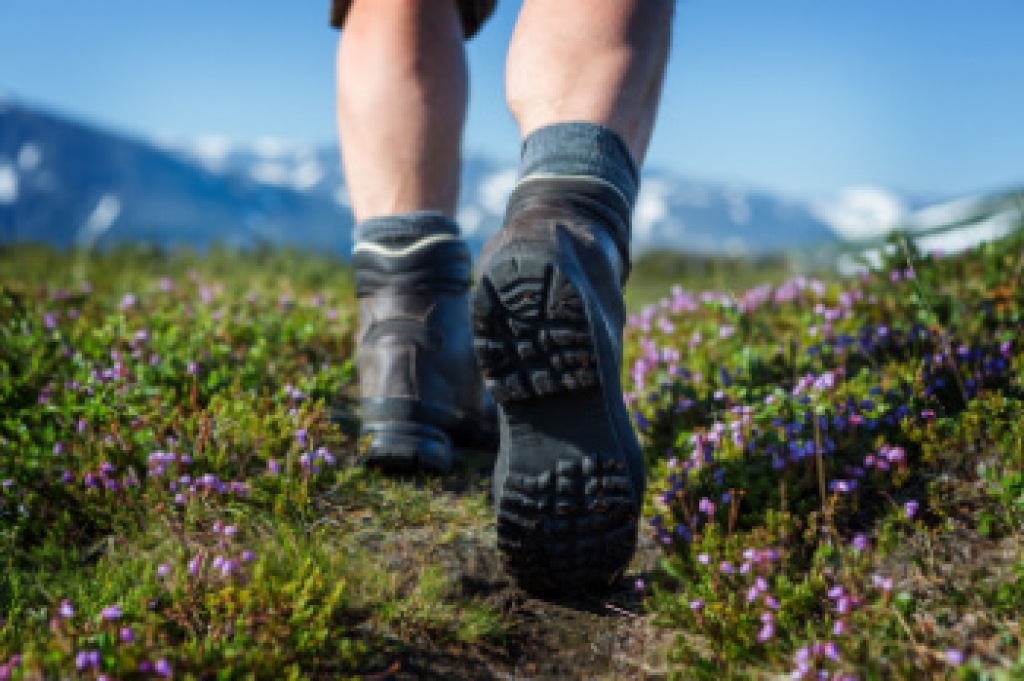
Choosing Hiking Shoes That Protect Your Feet

Choosing the right hiking shoes can make every trail more comfortable, and help reduce foot problems. Hiking shoes support the feet during outdoor activity. Hiking boots provide more ankle coverage and offer added stability on rocky terrain. Symptoms of wearing poor footwear include foot pain, blisters, or sore toes. Risk factors include long hikes, steep trails, and shoes that fit poorly. The right footwear should match your trail and your foot shape.

Hikers may choose lightweight hiking shoes for easier trails or boots for rougher terrain. Look for a secure heel, enough toe room, and a sturdy and flexible sole. Protection matters because rocks and roots can stress the feet. Comfort is important because pressure can worsen during a long hike. Boots that are light weight can reduce fatigue, while breathability helps manage moisture. Try hiking footwear with your socks and walk around before buying.


Wearing the wrong hiking shoes can contribute to blisters, corns, and ankle discomfort. Shoes that squeeze the toes may create pressure and rubbing. Loose footwear can cause sliding and friction. Poor support may increase strain on the arches and heels. To prevent problems, trace your foot when ordering footwear online, and compare the outline with the shoe shape. Try on shoes later in the day when the feet are larger.


If hiking foot pain develops, a podiatrist can examine your feet, review your footwear, and identify the cause. Treatment may include activity changes, protective padding, or custom orthotics, when appropriate. A podiatrist may also treat blisters, corns, or inflammation, and monitor healing when symptoms persist. If you develop foot pain from wearing the wrong shoes while hiking, it is suggested that you consult a podiatrist for an accurate diagnosis and appropriate treatment solutions.

For more information about walking shoes versus running shoes, consult with Dr. Milliron from Eternal Sole Foot and Ankle. Our doctor can measure your feet to determine what your needs are and help you find an appropriate pair of footwear.

Foot Health: The Differences between Walking & Running Shoes

There are great ways to stay in shape: running and walking are two great exercises to a healthy lifestyle. It is important to know that running shoes and walking shoes are not interchangeable. There is a key difference on how the feet hit the ground when someone is running or walking. This is why one should be aware that a shoe is designed differently for each activity.

You may be asking yourself what the real differences are between walking and running shoes and the answers may shock you.

Differences

Walking doesn’t involve as much stress or impact on the feet as running does. However, this doesn’t mean that you should be any less prepared. When you’re walking, you land on your heels and have your foot roll forward. This rolling motion requires additional support to the feet.

Flexibility – Walking shoes are designed to have soft, flexible soles. This allows the walker to push off easily with each step.

If you have any questions, please feel free to contact our office located in Pace and Jay, FL . We offer the newest diagnostic and treatment technologies for all your foot care needs.


Read more about Choosing the Right Running Shoe

Get Professional Care for a Broken Foot or Ankle

Constant care and regular evaluation are important for a foot or ankle fracture. If left untreated, foot or ankle fractures can worsen over time and create more serious problems.

Don't wait to be examined if you believe you've experienced a foot or ankle fracture.

Foot Pain and Nerve-Related Conditions

Foot pain can affect your daily routine and make simple activities uncomfortable. Foot pain describes discomfort anywhere in the foot, including the heel, arch, or toes. Symptoms may include aching, burning, or sharp pain. Nerve pain often feels different and may cause burning, tingling, or electric-like sensations. These symptoms can develop gradually or appear suddenly. Common causes include overuse, injuries, and structural problems. Identifying the source is important because treatment depends on the condition causing your discomfort.

Nerve pain in the forefoot may involve Morton’s neuroma or interdigital neuralgia. Morton’s neuroma is irritation and thickening around a nerve between the toes, most often between the third and fourth toes. It can cause burning pain, numbness, or a feeling that something is inside your shoe. Interdigital neuralgia is nerve-related pain between the toes that can produce similar burning or shooting sensations. Risk factors for these conditions include narrow shoes, high heels, and activities that place pressure on the forefoot.


A podiatrist will begin by discussing the symptoms and reviewing your medical history. A careful foot examination can help identify tenderness, nerve sensitivity, or changes in foot structure. The podiatrist may gently press between the toes to reproduce symptoms. Imaging tests may be recommended when another problem needs to be ruled out. Treatment often begins with wearing supportive footwear and activity changes. Custom orthotics may help redistribute pressure. Padding can also reduce irritation around sensitive nerves. When appropriate, medication or an injection may provide additional relief. 


Getting an accurate diagnosis can help you choose the right path toward healing. Ignoring persistent nerve pain may allow symptoms to interfere with walking, exercise, or work. A podiatrist can monitor the healing process and adjust treatment as needed. Early attention may also prevent ongoing irritation from becoming a larger problem. If burning, tingling, or forefoot pain continues, it is suggested that you consult a podiatrist for an accurate diagnosis and appropriate treatment.

Foot Pain

Foot pain can be extremely painful and debilitating. If you have a foot pain, consult with Dr. Milliron from Eternal Sole Foot and Ankle. Our doctor will assess your condition and provide you with quality foot and ankle treatment.

Causes

Foot pain is a very broad condition that could be caused by one or more ailments. The most common include:

  • Bunions
  • Hammertoes
  • Plantar Fasciitis
  • Bone Spurs
  • Corns
  • Tarsal Tunnel Syndrome
  • Ingrown Toenails
  • Arthritis (such as Gout, Rheumatoid, and Osteoarthritis)
  • Flat Feet
  • Injury (from stress fractures, broken toe, foot, ankle, Achilles tendon ruptures, and sprains)
  • And more

Diagnosis

To figure out the cause of foot pain, podiatrists utilize several different methods. This can range from simple visual inspections and sensation tests to X-rays and MRI scans. Prior medical history, family medical history, and any recent physical traumatic events will all be taken into consideration for a proper diagnosis.

Treatment

Treatment depends upon the cause of the foot pain. Whether it is resting, staying off the foot, or having surgery; podiatrists have a number of treatment options available for foot pain.

If you have any questions, please feel free to contact our office located in Pace and Jay, FL . We offer the newest diagnostic and treatment technologies for all your foot care needs.

Read more about Foot Pain
Advanced Podiatric Procedures & Services in the Santa Rosa County, FL: Pace, Jay, Milton, Gulf Breeze, Navarre, Bagdad, Molino, Jay, Bagdad, Cantonment, Escambia County, FL: Pensacola, Cantonment, Warrington, Ensley, Beulah, Okaloosa County, FL: Crestview, Fort Walton Beach, Niceville areas