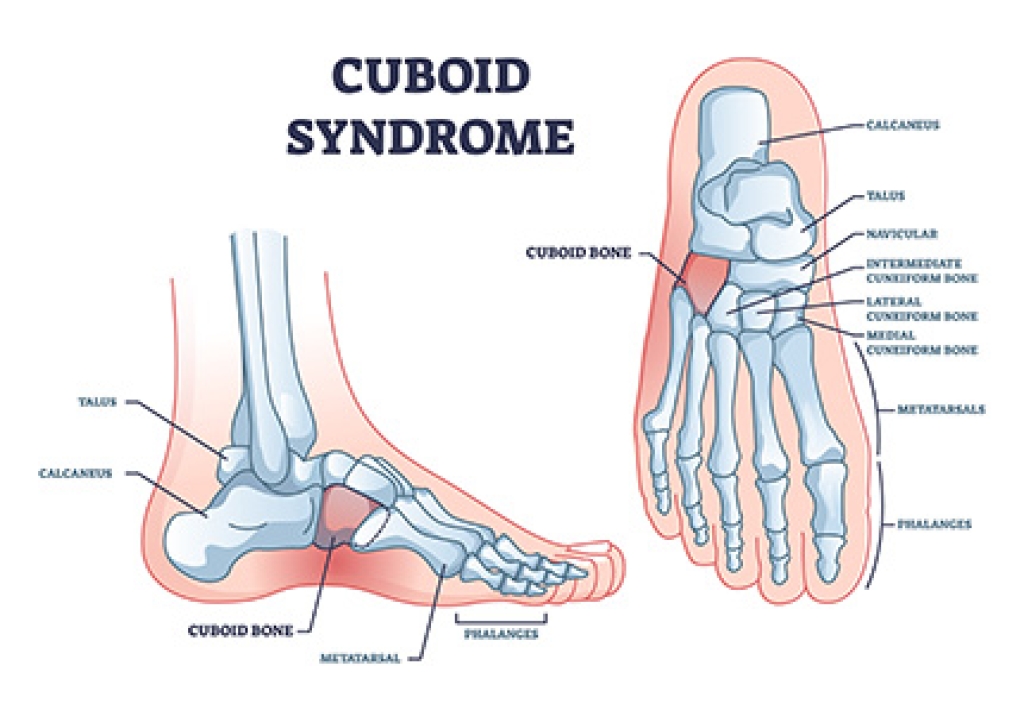
Why Cuboid Syndrome Can Make Walking Painful

Pain along the outside of the foot can make walking, running, and standing uncomfortable. One possible cause is cuboid syndrome, a condition affecting a small bone near the middle of the foot. The cuboid bone sits on the outer side, close to the heel, and helps support foot movement. Cuboid syndrome develops when this bone and its surrounding joint become irritated or shift out of their normal position. Symptoms include aching or sharp pain, swelling, and tenderness near the little-toe side of the foot. Discomfort can increase when putting weight on the foot or pushing off the toes. Some patients also notice reduced movement or pain extending toward the ankle. Because these symptoms resemble other injuries, a podiatrist can help identify the cause.

Cuboid syndrome can follow a sudden injury or repeated stress on the foot. An ankle sprain that twists the foot inward is one possible trigger. Running long distances, dancing, and sports involving quick side-to-side movements can increase strain. People whose feet roll inward excessively when walking may face greater risk. Tight calf muscles can add pressure around the cuboid bone. Shoes that fit poorly or lack proper support may contribute to discomfort, particularly on uneven surfaces. Extra body weight can increase pressure on the foot. Although athletes frequently experience this problem, cuboid syndrome can affect anyone whose activities repeatedly strain the outer foot. The pain is sometimes mistaken for a stress fracture or another foot condition. This makes a careful examination important before choosing treatment.

A podiatrist can evaluate cuboid syndrome by examining the painful area, checking foot movement, and reviewing recent injuries. X-rays or other imaging may be used to rule out fractures, even though cuboid syndrome itself may not appear on these tests. Treatment depends on the cause and severity of the symptoms. A podiatrist may use a careful hands-on technique to improve joint alignment after confirming that it is appropriate. Supportive taping, protective padding, or custom orthotics can help stabilize the foot and reduce pressure. The podiatrist can recommend suitable shoes and guide a gradual return to normal activities. Recovery varies, especially when an ankle sprain or another injury is present. Persistent pain deserves attention because it can change how a patient moves and places weight on the foot. If you have symptoms of cuboid syndrome, it is suggested that you schedule an appointment with a podiatrist for diagnosis and treatment.

Cuboid syndrome, also known as cuboid subluxation, occurs when the joints and ligaments near the cuboid bone in the foot become torn. If you have cuboid syndrome, consult with Dr. Milliron from Eternal Sole Foot and Ankle. Our doctor will assess your condition and provide you with quality foot and ankle treatment.

Cuboid syndrome is a common cause of lateral foot pain, which is pain on the outside of the foot. The condition may happen suddenly due to an ankle sprain, or it may develop slowly overtime from repetitive tension through the bone and surrounding structures.

Causes

The most common causes of cuboid syndrome include:

  • Injury – The most common cause of this ailment is an ankle sprain.
  • Repetitive Strain – Tension placed through the peroneus longus muscle from repetitive activities such as jumping and running may cause excessive traction on the bone causing it to sublux.
  • Altered Foot Biomechanics – Most people suffering from cuboid subluxation have flat feet.

Symptoms

A common symptom of cuboid syndrome is pain along the outside of the foot which can be felt in the ankle and toes. This pain may create walking difficulties and may cause those with the condition to walk with a limp.

Diagnosis

Diagnosis of cuboid syndrome is often difficult, and it is often misdiagnosed. X-rays, MRIs and CT scans often fail to properly show the cuboid subluxation. Although there isn’t a specific test used to diagnose cuboid syndrome, your podiatrist will usually check if pain is felt while pressing firmly on the cuboid bone of your foot.

Treatment

Just as the range of causes varies widely, so do treatments. Some more common treatments are ice therapy, rest, exercise, taping, and orthotics.

If you have any questions, please feel free to contact our office located in Pace and Jay, FL . We offer the newest diagnostic and treatment technologies for all your foot care needs.


Read more about All About Cuboid Syndrome

Symptoms of Tarsal Tunnel Syndrome

Tarsal tunnel syndrome develops when a nerve becomes squeezed inside a narrow passage along the inner ankle. This passage, called the tarsal tunnel, protects a nerve that carries signals to the bottom of the foot. When tissue presses against the nerve, pain and sensations can develop. Patients may feel burning, tingling, or numbness in the sole. Some notice shooting pain that travels from the ankle toward the toes. Symptoms can become stronger while walking or standing for long periods. In some cases, discomfort continues even when the foot is at rest. Because these symptoms can resemble other foot problems, identifying the source of the pain is important.

Several factors can increase pressure inside the tarsal tunnel. An ankle sprain can cause swelling that crowds the nerve. Flat feet can change the position of the ankle and place strain on nearby structures. Arthritis and diabetes can also contribute to swelling or nerve problems. Sometimes a cyst or swollen vein presses against the nerve. People who run or participate in sports involving repeated jumping may notice symptoms after activity. The discomfort can affect balance and make tasks more difficult. Without attention, nerve pressure can lead to lasting changes in feeling or weakness in the foot. A podiatrist can help distinguish tarsal tunnel syndrome from other causes of heel or arch pain.

A podiatrist begins by discussing symptoms and examining the foot and ankle. The examination can include checking sensation, foot movement, and tender areas near the inner ankle. A podiatrist may gently tap along the nerve to see whether this causes tingling. Imaging or nerve tests can help identify pressure on the nerve and rule out other problems. Treatment depends on what is causing the compression. A podiatrist may prescribe custom orthotics to improve foot support and reduce strain. An ankle brace can provide stability, while a targeted injection may help reduce inflammation. Prompt diagnosis can improve the chances of controlling symptoms and protecting foot function. If you have symptoms of tarsal tunnel syndrome, it is suggested that you schedule an appointment with a podiatrist for a diagnosis and appropriate treatment.

Tarsal tunnel syndrome can be very uncomfortable to live with. If you are experiencing tarsal tunnel syndrome, contact Dr. Milliron of Eternal Sole Foot and Ankle. Our doctor can provide the care you need to keep you pain-free and on your feet.

Tarsal Tunnel Syndrome

Tarsal tunnel syndrome, which can also be called tibial nerve dysfunction, is an uncommon condition of misfiring peripheral nerves in the foot. The tibial nerve is the peripheral nerve in the leg responsible for sensation and movement of the foot and calf muscles. In tarsal tunnel syndrome, the tibial nerve is damaged, causing problems with movement and feeling in the foot of the affected leg.

Common Cause of Tarsal Tunnel Syndrome

  • Involves pressure or an injury, direct pressure on the tibial nerve for an extended period of time, sometimes caused by other body structures close by or near the knee.
  • Diseases that damage nerves, including diabetes, may cause tarsal tunnel syndrome.
  • At times, tarsal tunnel syndrome can appear without an obvious cause in some cases.

The Effects of Tarsal Tunnel Syndrome

  • Different sensations, an afflicted person may experience pain, tingling, burning or other unusual sensations in the foot of the affected leg.
  • The foot muscles, toes and ankle become weaker, and curling your toes or flexing your foot can become difficult.
  • If condition worsens, infections and ulcers may develop on the foot that is experiencing the syndrome.

A physical exam of the leg can help identify the presence of tarsal tunnel syndrome. Medical tests, such as a nerve biopsy, are also used to diagnose the condition. Patients may receive physical therapy and prescriptive medication. In extreme cases, some may require surgery.

If you have any questions please contact our office located in Pace and Jay, FL . We offer the newest diagnostic and treatment technologies for all your foot and ankle needs.

Read more about Treating Tarsal Tunnel Syndrome

We Can Treat Your Foot or Ankle Pain

Foot or ankle pain can negatively affect your day-to-day life and can occur due to several different conditions. Pain can also be an indicator of a more serious underlying condition, which is why you should seek professional help as soon as you notice any abnormalities in your feet.

Facts About Bunions

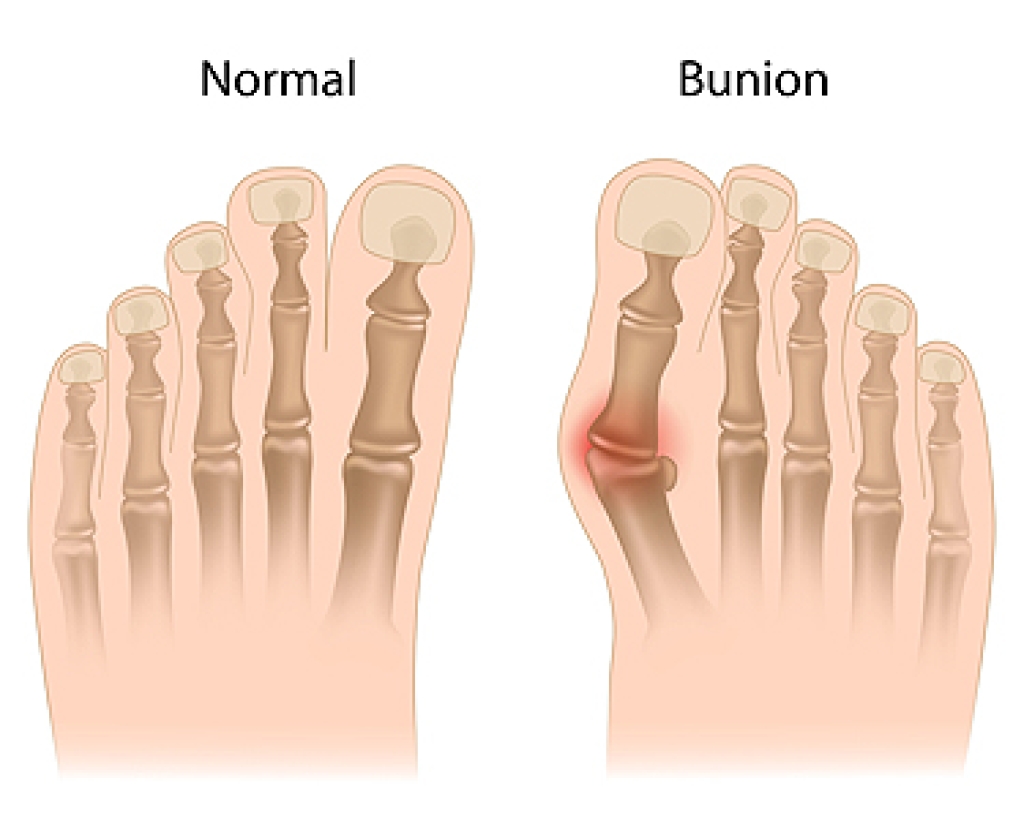
A bunion is a bony bump that develops near the base of the big toe when the joint gradually shifts out of alignment. As the big toe moves toward the smaller toes, the joint becomes more prominent along the inner edge of the foot. This change causes discomfort and makes finding comfortable shoes more difficult. Bunions often develop gradually, so the bump may be noticeable long before pain begins. Common symptoms include swelling around the joint and tenderness when wearing shoes. Some people also experience stiffness that makes bending the big toe uncomfortable. Early attention helps manage symptoms and reduce pressure on the affected area.

Bunions develop for several reasons, although inherited foot structure is a common contributing factor. If your family members have bunions, you may be more likely to develop one because of similar bone alignment or foot mechanics. Certain conditions that affect joint movement may also contribute to changes in toe position. Wearing narrow shoes or high heels increases pressure on the big toe joint and worsen existing symptoms, although footwear alone does not explain every bunion. Other risk factors include having flat feet and experiencing joint inflammation. Understanding these influences help you make footwear choices that support comfort and reduce unnecessary pressure on the forefoot.


Bunion symptoms vary depending on the size of the bump and the amount of joint irritation. You may notice redness where the shoe rubs against the joint, especially after walking or standing for long periods. As the big toe moves closer to the second toe, crowding can develop and make footwear uncomfortable. Some people experience a burning sensation or develop thickened skin where pressure repeatedly occurs. In more advanced cases, the big toe may overlap another toe, affecting balance and walking. Symptoms become more noticeable during activities that place repeated pressure on the front of the foot. Persistent pain deserves attention, particularly when it limits daily activities.


A podiatrist evaluates a bunion by examining your foot alignment, joint movement, and areas of tenderness. X-rays may be recommended to assess the position of the bones and determine how much the joint has changed. Treatment often begins with wearing wider shoes, protective padding, and custom orthotics to help redistribute pressure. Adjusting footwear and avoiding designs that squeeze the toes may also improve comfort. If pain remains severe despite conservative treatment, bunion surgery may be discussed, based on your needs. Early care helps you manage symptoms and maintain mobility. If you have a bunion that causes discomfort or affects walking, it is suggested that you consult a podiatrist for effective relief and management techniques.

If you are suffering from bunions, contact Dr. Milliron of Eternal Sole Foot and Ankle. Our doctor can provide the care you need to keep you pain-free and on your feet.

What Is a Bunion?

A bunion is formed of swollen tissue or an enlargement of boney growth, usually located at the base joint of the toe that connects to the foot. The swelling occurs due to the bones in the big toe shifting inward, which impacts the other toes of the foot. This causes the area around the base of the big toe to become inflamed and painful.

Why Do Bunions Form?

Genetics – Susceptibility to bunions are often hereditary

Stress on the feet – Poorly fitted and uncomfortable footwear that places stress on feet, such as heels, can worsen existing bunions

How Are Bunions Diagnosed?

Podiatrists often perform two tests – blood tests and x-rays – when trying to diagnose bunions, especially in the early stages of development. Blood tests help determine if the foot pain is being caused by something else, such as arthritis, while x-rays provide a clear picture of your bone structure to your provider.

How Are Bunions Treated?

  • Refrain from wearing heels or similar shoes that cause discomfort
  • Select wider shoes that can provide more comfort and reduce pain
  • Anti-inflammatory and pain management drugs
  • Orthotics or foot inserts
  • Surgery

If you have any questions, please feel free to contact our office located in Pace and Jay, FL . We offer the newest diagnostic and treatment technologies for all your foot care needs.
Read more about Bunions

Recognizing Athlete's Foot Symptoms

Athlete's foot is a fungal infection that affects the skin of the feet, often developing between the toes. Also known as tinea pedis, these organisms thrive in areas where sweat and moisture collect, making the feet especially vulnerable. Wearing closed shoes for extended periods may increase the risk, particularly when moisture becomes trapped around the feet. Athlete's foot spreads through direct contact with infected skin or contaminated surfaces. Public showers, locker rooms, and swimming pool areas are common places where the infection spreads. Although frequently associated with athletes, this fungal infection affects people of all activity levels. 


Symptoms of athlete's foot include itching, burning, and redness between the toes or along the soles. The affected skin may become dry, cracked, or scaly as the infection develops. Some individuals notice peeling skin or small blisters that cause additional discomfort. In certain cases, the infection spreads to the toenails, causing discoloration and thickening. Cracks in the skin may also increase the risk of bacterial infections. Athlete's foot sometimes resembles other skin problems, making an accurate diagnosis important. Without appropriate treatment, symptoms may persist or return, particularly when conditions continue to support fungal growth.


A podiatrist examines the affected skin to determine whether a fungal infection is responsible for the symptoms. During an evaluation, the podiatrist may collect a small skin sample to confirm the diagnosis and distinguish athlete's foot from similar conditions. Treatment typically involves antifungal medications designed to eliminate the infection. More persistent infections may require prescription-strength medication or additional treatment. Care from a podiatrist also focuses on identifying factors that contribute to recurring infections and protecting overall foot health. If you are experiencing persistent itching, peeling, or irritation on your feet, it is suggested that you consult a podiatrist for an evaluation and appropriate treatment options.

Athlete’s Foot

Athlete’s foot is often an uncomfortable condition to experience. Thankfully, podiatrists specialize in treating athlete’s foot and offer the best treatment options. If you have any questions about athlete’s foot, consult with Dr. Milliron from Eternal Sole Foot and Ankle. Our doctor will assess your condition and provide you with quality treatment.

What Is Athlete’s Foot?

Tinea pedis, more commonly known as athlete’s foot, is a non-serious and common fungal infection of the foot. Athlete’s foot is contagious and can be contracted by touching someone who has it or infected surfaces. The most common places contaminated by it are public showers, locker rooms, and swimming pools. Once contracted, it grows on feet that are left inside moist, dark, and warm shoes and socks.

Prevention

The most effective ways to prevent athlete’s foot include:

  • Thoroughly washing and drying feet
  • Avoid going barefoot in locker rooms and public showers
  • Using shower shoes in public showers
  • Wearing socks that allow the feet to breathe
  • Changing socks and shoes frequently if you sweat a lot

Symptoms

Athlete’s foot initially occurs as a rash between the toes. However, if left undiagnosed, it can spread to the sides and bottom of the feet, toenails, and if touched by hand, the hands themselves. Symptoms include:

  • Redness
  • Burning
  • Itching
  • Scaly and peeling skin

Diagnosis and Treatment

Diagnosis is quick and easy. Skin samples will be taken and either viewed under a microscope or sent to a lab for testing. Sometimes, a podiatrist can diagnose it based on simply looking at it. Once confirmed, treatment options include oral and topical antifungal medications.

If you have any questions, please feel free to contact our office located in Pace and Jay, FL . We offer the newest diagnostic and treatment technologies for all your foot care needs.

Read more about Athlete’s Foot
Advanced Podiatric Procedures & Services in the Santa Rosa County, FL: Pace, Jay, Milton, Gulf Breeze, Navarre, Bagdad, Molino, Jay, Bagdad, Cantonment, Escambia County, FL: Pensacola, Cantonment, Warrington, Ensley, Beulah, Okaloosa County, FL: Crestview, Fort Walton Beach, Niceville areas