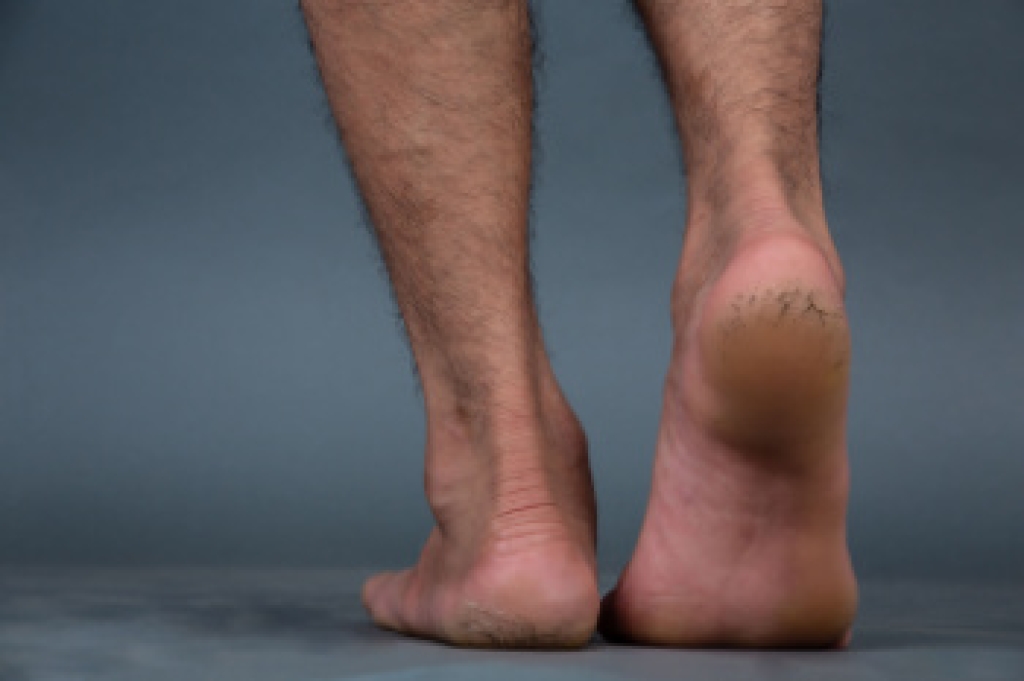
How Cracked Heels and Fissures Are Diagnosed

Cracked heels and fissures are more than a cosmetic concern and often signal underlying skin stress. Diagnosis begins with a visual exam of the heels to assess depth, width, and location of the cracks. Shallow splits may appear dry and rough, while deeper fissures can be painful and may bleed. The surrounding skin is evaluated for thickening, redness, or signs of infection. A podiatrist also considers contributing factors, such as pressure patterns, footwear, standing time, and skin conditions that affect moisture balance. Circulation and sensation may be checked, especially in people with diabetes or nerve changes, since healing risks are higher. Understanding how long the cracks have been present and whether pain has increased helps guide care decisions. Proper diagnosis allows treatment to focus on both healing and prevention. If heel cracks become painful, deep, or recurrent, it is suggested that you see a podiatrist for an accurate diagnosis and appropriate treatment.

Cracked heels are unsightly and can cause further damage to your shoes and feet. If you have any concerns, contact Dr. Milliron from Eternal Sole Foot and Ankle. Our doctor can provide the care you need to keep you pain-free and on your feet.

Cracked Heels

Cracked heels appear unappealing and can make it harder for you walk around in sandals. Aside from looking unpleasant, cracked heels can also tear stockings, socks, and wear out your shoes. There are several methods to help restore a cracked heel and prevent further damage.

How Do You Get Them?

Dry skin is the number one culprit in creating cracked heels. Many athletes, walkers, joggers, and even swimmers suffer from cracked heels. Age and skin oil production play a role to getting cracked heels as well.

Promote Healing

Over the counter medicines can help, especially for those that need instant relief or who suffer from chronic dry feet.

Wear Socks – Wearing socks with medicated creams helps lock in moisture.

Moisturizers – Applying both day and night will help alleviate dryness which causes cracking.

Pumice Stones – These exfoliate and remove dead skin, which allows for smoother moisturizer application and better absorption into the skin. 

Change in Diet

Eating healthy with a well-balanced diet will give the skin a fresh and radiant look. Your body responds to the kinds of food you ingest. Omega-3 fatty acids and zinc supplements can also revitalize skin tissue.

Most importantly, seek professional help if unsure how to proceed in treating cracked heels. A podiatrist will help you with any questions or information needed. 

If you have any questions, please feel free to contact our office located in Pace and Jay, FL . We offer the newest diagnostic and treatment technologies for all your foot care needs.

Read more about Solutions for Cracked Heels

Metatarsal Fractures and How They Affect Your Steps

A metatarsal fracture is a break in one of the long bones across the front of the foot, and it can happen from a sudden injury, twisting the foot, or repetitive stress that gradually weakens the bone. Because these bones help support body weight with each step, even a minor fracture can lead to swelling, bruising, sharp discomfort while walking, or difficulty bearing weight. Some fractures appear suddenly, while others develop slowly in active individuals as a dull ache that becomes harder to ignore. Prompt evaluation is important because each fracture pattern requires a specific approach, ranging from rest and supportive footwear to immobilization or more advanced treatment. Delaying care may affect healing and prolong pain. If you have ongoing pain in the forefoot after an injury or repeated activity, it is suggested tat you see a podiatrist for an accurate diagnosis and a treatment plan that encourages safe, steady healing.

Foot Pain

Foot pain can be extremely painful and debilitating. If you have a foot pain, consult with Dr. Milliron from Eternal Sole Foot and Ankle. Our doctor will assess your condition and provide you with quality foot and ankle treatment.

Causes

Foot pain is a very broad condition that could be caused by one or more ailments. The most common include:

  • Bunions
  • Hammertoes
  • Plantar Fasciitis
  • Bone Spurs
  • Corns
  • Tarsal Tunnel Syndrome
  • Ingrown Toenails
  • Arthritis (such as Gout, Rheumatoid, and Osteoarthritis)
  • Flat Feet
  • Injury (from stress fractures, broken toe, foot, ankle, Achilles tendon ruptures, and sprains)
  • And more

Diagnosis

To figure out the cause of foot pain, podiatrists utilize several different methods. This can range from simple visual inspections and sensation tests to X-rays and MRI scans. Prior medical history, family medical history, and any recent physical traumatic events will all be taken into consideration for a proper diagnosis.

Treatment

Treatment depends upon the cause of the foot pain. Whether it is resting, staying off the foot, or having surgery; podiatrists have a number of treatment options available for foot pain.

If you have any questions, please feel free to contact our office located in Pace and Jay, FL . We offer the newest diagnostic and treatment technologies for all your foot care needs.
Read more about Foot Pain

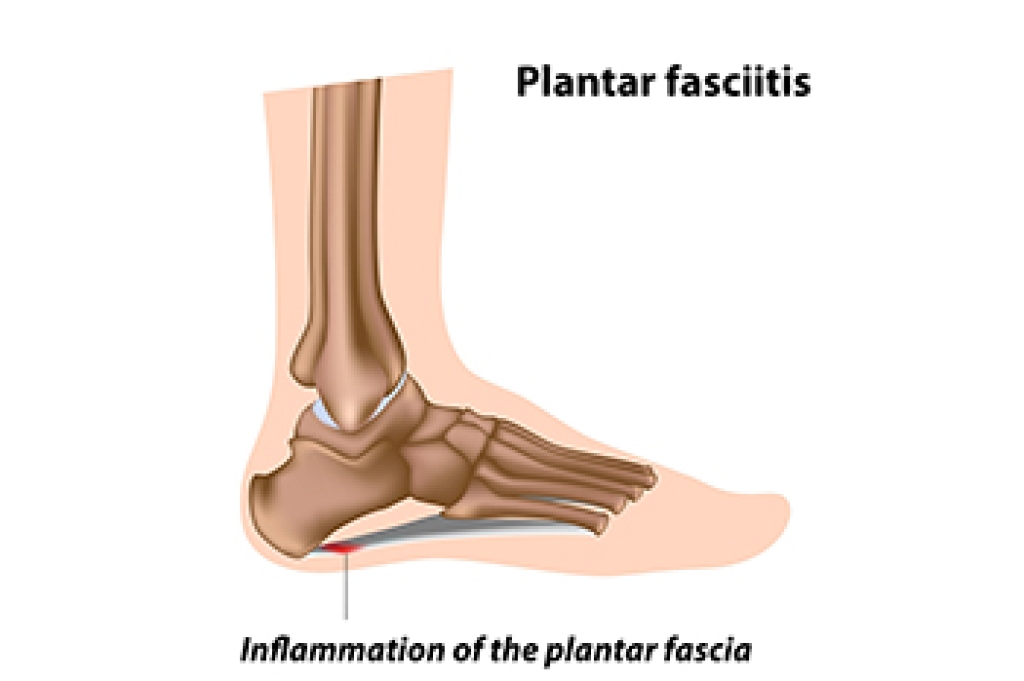
Causes and Risk Factors of Plantar Fasciitis

Plantar fasciitis is a common foot condition caused by inflammation of the plantar fascia, a thick band of tissue that runs along the bottom of the foot connecting the heel to the toes. It often results in sharp or aching heel pain, particularly with the first steps in the morning or after periods of rest. Causes include repetitive strain from running, prolonged standing, high-impact activities, or tight calf muscles. Risk factors include obesity, flat feet, high arches, and wearing improper footwear. If left untreated, plantar fasciitis can limit mobility and affect daily activities. A podiatrist can provide an accurate diagnosis, recommend targeted stretches, supportive footwear, orthotics, and treatment strategies to reduce inflammation and promote healing. If you have heel pain, it is suggested that you consult a podiatrist who can accurately diagnose and treat plantar fasciitis.

Plantar fasciitis can be very painful and inconvenient. If you are experiencing heel pain or symptoms of plantar fasciitis, contact Dr. Milliron  from Eternal Sole Foot and Ankle. Our doctor can provide the care you need to keep you pain-free and on your feet.

What Is Plantar Fasciitis?

Plantar fasciitis is the inflammation of the thick band of tissue that runs along the bottom of your foot, known as the plantar fascia, and causes mild to severe heel pain.

What Causes Plantar Fasciitis?

  • Excessive running
  • Non-supportive shoes
  • Overpronation
  • Repeated stretching and tearing of the plantar fascia

How Can It Be Treated?

  • Conservative measures – anti-inflammatories, ice packs, stretching exercises, physical therapy, orthotic devices
  • Shockwave therapy – sound waves are sent to the affected area to facilitate healing and are usually used for chronic cases of plantar fasciitis
  • Surgery – usually only used as a last resort when all else fails. The plantar fascia can be surgically detached from the heel

While very treatable, plantar fasciitis is definitely not something that should be ignored. Especially in severe cases, speaking to your doctor right away is highly recommended to avoid complications and severe heel pain. Your podiatrist can work with you to provide the appropriate treatment options tailored to your condition.

If you have any questions, please feel free to contact our office located in Pace and Jay, FL . We offer the newest diagnostic and treatment technologies for all your foot care needs.

Read more about Plantar Fasciitis

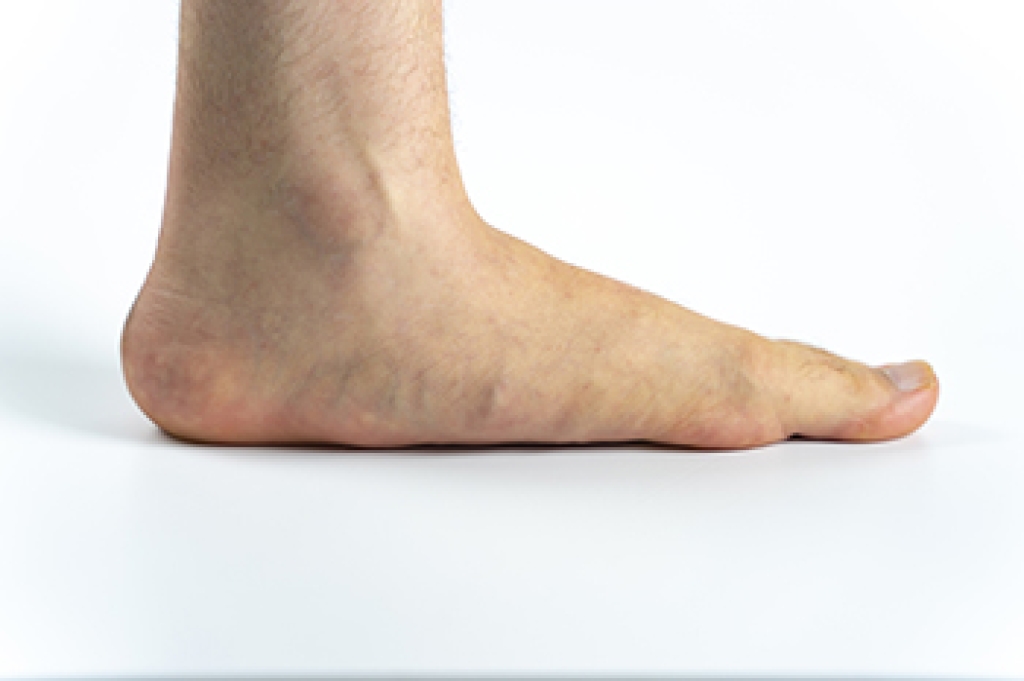
Types of Flat Feet

Flat feet, also known as fallen arches, occur when the inner arch of the foot collapses, causing the entire sole to make contact with the ground. There are two main types of flat feet, structural and functional. Structural flat feet are caused by bone or joint abnormalities present at birth or developed over time, resulting in permanent arch collapse. Functional flat feet occur when the arch appears normal while non-weight-bearing, but flattens during standing or walking due to ligament laxity or muscle weakness. Symptoms include foot fatigue, pain in the arch or heel, and difficulty with prolonged activity. A podiatrist can evaluate foot structure, recommend supportive footwear, provide custom orthotics, and design strengthening exercises to restore proper alignment. If you have flat feet, it is suggested that you are under the care of a podiatrist who can help you to manage this condition.

Flatfoot is a condition many people suffer from. If you have flat feet, contact Dr. Milliron from Eternal Sole Foot and Ankle. Our doctor will treat your foot and ankle needs.

What Are Flat Feet?

Flatfoot is a condition in which the arch of the foot is depressed and the sole of the foot is almost completely in contact with the ground. About 20-30% of the population generally has flat feet because their arches never formed during growth.

Conditions & Problems:

Having flat feet makes it difficult to run or walk because of the stress placed on the ankles.

Alignment – The general alignment of your legs can be disrupted, because the ankles move inward which can cause major discomfort.

Knees – If you have complications with your knees, flat feet can be a contributor to arthritis in that area.  

Symptoms

  • Pain around the heel or arch area
  • Trouble standing on the tip toe
  • Swelling around the inside of the ankle
  • Flat look to one or both feet
  • Having your shoes feel uneven when worn

Treatment

If you are experiencing pain and stress on the foot you may weaken the posterior tibial tendon, which runs around the inside of the ankle. 

If you have any questions, please feel free to contact our office located in Pace and Jay, FL . We offer the newest diagnostic and treatment technologies for all your foot care needs.

Read more about Flatfoot

Get Proper Treatment for Ankle Injuries

If you're experiencing ankle pain, you may be suffering from an ankle injury. Sprains, fractures, Achilles tendonitis, and Achilles tendon ruptures are just some examples of potential ankle injuries. Don't wait for care for an ankle injury, as it may worsen over time. We can help!

scroll to top