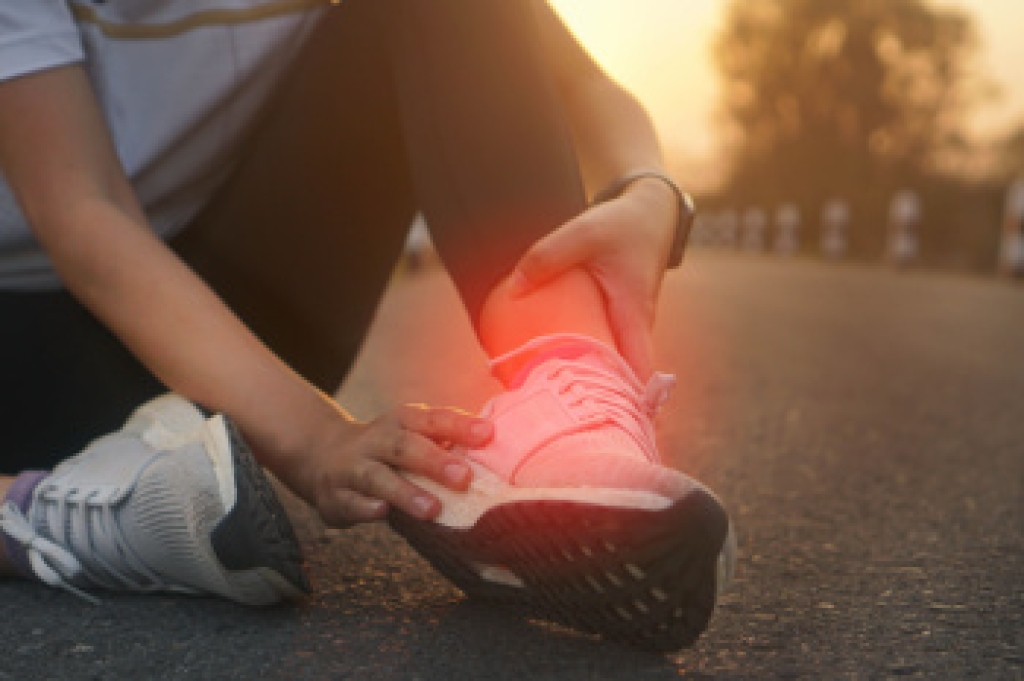
Why Falls Lead to Foot and Ankle Injuries

Falls are a leading cause of foot and ankle injuries, especially in active adults and aging populations. These injuries occur when sudden impact or awkward positioning places stress on the ankle joint. The joint functions as a hinge that allows movement while maintaining stability. When a fall forces the joint beyond its normal range, ligaments can stretch or tear, and bones may fracture. Recognizing the causes behind these injuries helps guide effective prevention.

Common symptoms include pain, swelling, bruising, and reduced mobility. Many individuals experience difficulty walking or standing after a fall. In some cases, there may be a popping sensation at the time of injury, followed by instability. Ignoring these symptoms can lead to improper healing and long term complications such as chronic ankle instability or arthritis.


Risk factors vary but often include age-related changes in balance and strength. Occupations that involve climbing or working on uneven surfaces increase exposure to falls. Certain medications that cause dizziness or drowsiness can impair coordination. Underlying health conditions, such as poor circulation or nerve damage, may also reduce awareness of foot placement. Gender differences in footwear and activity levels can further influence injury risk.


Effective prevention focuses on improving stability and reducing hazards. Wearing well fitted, supportive shoes helps maintain balance and reduce strain on the ankle. Regular exercise can strengthen muscles and improve coordination. Creating a safe environment at home and work is important, in addition to reviewing medications with a healthcare provider. If you have concerns about falls prevention or have sustained a foot or ankle injury, it is strongly suggested that you seek care from a podiatrist for a proper evaluation and treatment.

Preventing falls among the elderly is very important. If you are older and have fallen or fear that you are prone to falling, consult with Dr. Milliron from Eternal Sole Foot and Ankle. Our doctor will assess your condition and provide you with quality advice and care.

Every 11 seconds, an elderly American is being treated in an emergency room for a fall related injury. Falls are the leading cause of head and hip injuries for those 65 and older. Due to decreases in strength, balance, senses, and lack of awareness, elderly persons are very susceptible to falling. Thankfully, there are a number of things older persons can do to prevent falls.

How to Prevent Falls

Some effective methods that older persons can do to prevent falls include:

  • Enrolling in strength and balance exercise program to increase balance and strength
  • Periodically having your sight and hearing checked
  • Discuss any medications you have with a doctor to see if it increases the risk of falling
  • Clearing the house of falling hazards and installing devices like grab bars and railings
  • Utilizing a walker or cane
  • Wearing shoes that provide good support and cushioning
  • Talking to family members about falling and increasing awareness

Falling can be a traumatic and embarrassing experience for elderly persons; this can make them less willing to leave the house, and less willing to talk to someone about their fears of falling. Doing such things, however, will increase the likelihood of tripping or losing one’s balance. Knowing the causes of falling and how to prevent them is the best way to mitigate the risk of serious injury.  

If you have any questions, please feel free to contact our office located in Pace and Jay, FL . We offer the newest diagnostic and treatment technologies for all your foot care needs.

Read more about Falls Prevention

Let the Expert Treat Your Ingrown Toenails

Ingrown toenails can be painful and can make wearing shoes or walking uncomfortable. Seek professional help if you believe you've developed an ingrown toenail and be treated safely. 

Explaining How Corns Develop

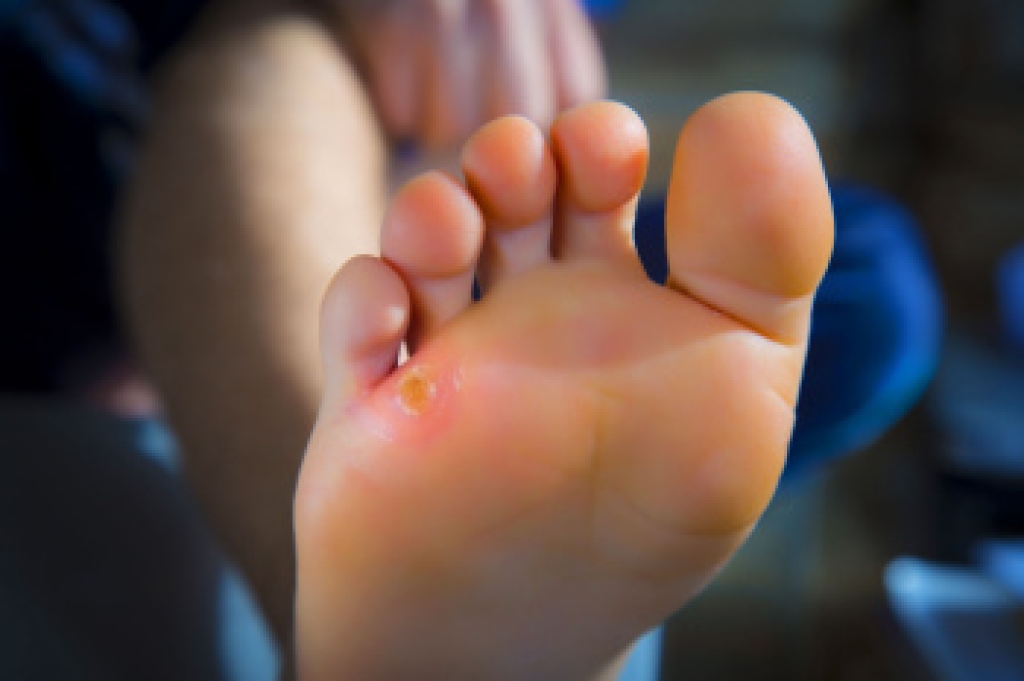
Corns are small areas of thickened skin that develop when the feet are exposed to repeated pressure or friction. They commonly form on the top and side of the toes or other areas of the foot that rub against shoes. Corns often appear as hard, raised bumps and can become painful, especially when walking, standing, or wearing certain types of shoes. Other symptoms include tenderness, redness, and sensitivity around the affected area. Corns are frequently caused by shoes that fit poorly, but they can also result from foot structure problems that place extra pressure on specific areas. For instance, high arches, hammertoes, or bunions can increase the risk. There are different types of corns, including hard corns, which are typically found on the toes, and soft corns, which develop between the toes where moisture is present. A podiatrist can safely remove painful corns and identify the underlying cause. Recommendations to help prevent corns from returning include footwear changes, padding, or custom orthotics. If you have a painful corn on your foot, it is suggested that you schedule an appointment with a podiatrist for an exam and treatment.

If you have any concerns regarding your feet and ankles, contact Dr. Milliron of Eternal Sole Foot and Ankle. Our doctor will treat your foot and ankle needs.

Corns: What Are They? and How Do You Get Rid of Them?
Corns can be described as areas of the skin that have thickened to the point of becoming painful or irritating. They are often layers and layers of the skin that have become dry and rough, and are normally smaller than calluses.

Ways to Prevent Corns
There are many ways to get rid of painful corns such as wearing:

  • Well-fitting socks
  • Comfortable shoes that are not tight around your foot
  • Shoes that offer support

Treating Corns
Treatment of corns involves removing the dead skin that has built up in the specific area of the foot. Consult with Our doctor to determine the best treatment option for your case of corns.

If you have any questions, please feel free to contact our office located in Pace and Jay, FL . We offer the newest diagnostic and treatment technologies for all your foot care needs.

Read more about Understanding Corns and Calluses

Running Shoes for Different Foot Types

Selecting the right running shoes is important for comfort, performance, and injury prevention. Foot structure plays a major role in determining the best type of shoe for each person. Individuals with pronated feet, where the arch collapses inward, often benefit from maximum support running shoes that help control motion and improve alignment. Those with neutral feet typically do well with cushioned neutral shoes that provide balanced support and shock absorption. People with supinated feet, where the arch is high and the foot rolls outward, may need structured cushioned or stability shoes to help distribute pressure more evenly. Wearing the wrong type of shoe can lead to pain in the feet, ankles, knees, and lower legs over time. A podiatrist can evaluate foot mechanics and gait patterns and recommend the most appropriate footwear. If you have foot pain from running, it is suggested that you consult a podiatrist who treats various foot and ankle conditions and guide you on which shoes to wear.

If you are a runner, wearing the right running shoe is essential. For more information, contact Dr. Milliron from Eternal Sole Foot and Ankle. Our doctor can provide the care you need to keep you pain-free and on your feet.

Choosing the Right Running Shoe for Your Foot Type

To increase performance and avoid the risk of injury, it is important to choose the right running shoe based on your foot type. The general design of running shoes revolves around pronation, which is how the ankle rolls from outside to inside when the foot strikes the ground.

  • Neutral runners are able to choose from a wide variety of shoes, including minimalist shoes or even going barefoot.
  • Runners who overpronate, or experience an over-abundance of ankle rolling, should choose shoes that provide extra motion control and stability.
  • Runners who underpronate, or supinate, have feet that have high arches and lack flexibility, preventing shock absorption. They require shoes with more flexibility and cushion.

If you have any questions, please feel free to contact our office located in Pace and Jay, FL . We offer the newest diagnostic and treatment technologies for all your foot care needs.
Read more about Choosing the Right Running Shoe for Your Foot Type

Causes of Blisters on the Feet

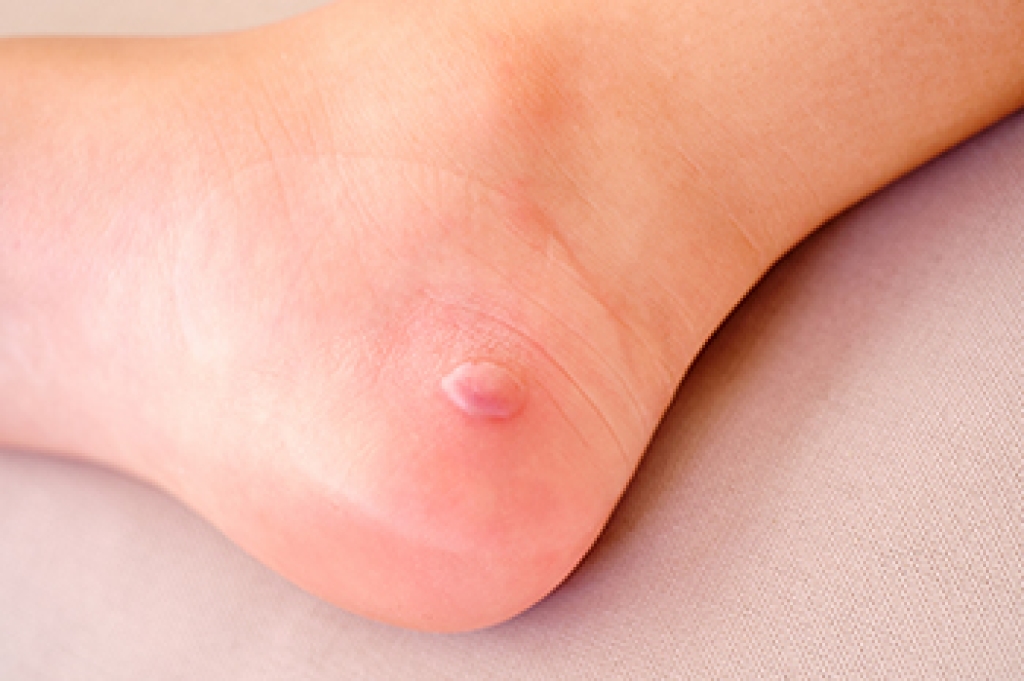
Blisters on the feet are small pockets of fluid that form when the skin experiences friction, heat, or pressure. They may look like raised, clear or whitish bumps on the surface of the skin and can sometimes develop a red or inflamed border. Blisters often feel tender, sore, or tight, and walking or standing may become uncomfortable. Common causes include poorly fitting shoes, repetitive motion, excessive sweating, or prolonged activities like running or hiking. In some cases, blisters can result from burns, allergic reactions, or underlying medical conditions. A podiatrist can begin by examining the blister, determining the cause, and ensuring there are no signs of infection. Treatment may involve safe drainage techniques, footwear adjustments, and strategies to reduce friction and pressure in the future. Because early care can prevent complications and promote healing, it is suggested that you schedule an appointment with a podiatrist.

Blisters may appear as a single bubble or in a cluster. They can cause a lot of pain and may be filled with pus, blood, or watery serum. If your feet are hurting, contact Dr. Milliron of Eternal Sole Foot and Ankle. Our doctor can provide the care you need to keep you pain-free and on your feet.

Foot Blisters

Foot blisters are often the result of friction. This happens due to the constant rubbing from shoes, which can lead to pain.

What Are Foot Blisters?

A foot blister is a small fluid-filled pocket that forms on the upper-most layer of the skin. Blisters are filled with clear fluid and can lead to blood drainage or pus if the area becomes infected.

Symptoms

(Blister symptoms may vary depending on what is causing them)

  • Bubble of skin filled with fluid
  • Redness
  • Moderate to severe pain
  • Itching

Prevention & Treatment

In order to prevent blisters, you should be sure to wear comfortable shoes with socks that cushion your feet and absorb sweat. Breaking a blister open may increase your chances of developing an infection. However, if your blister breaks, you should wash the area with soap and water immediately and then apply a bandage to the affected area. If your blisters cause severe pain it is important that you call your podiatrist right away.

If you have any questions, please feel free to contact our office located in Pace and Jay, FL . We offer the newest diagnostic and treatment technologies for all your foot care needs.

Read more about Blisters
Advanced Podiatric Procedures & Services in the Santa Rosa County, FL: Pace, Jay, Milton, Gulf Breeze, Navarre, Bagdad, Molino, Jay, Bagdad, Cantonment, Escambia County, FL: Pensacola, Cantonment, Warrington, Ensley, Beulah, Okaloosa County, FL: Crestview, Fort Walton Beach, Niceville areas