Have your feet inspected by a professional before starting a new sport or physical activity. Taking charge of your foot health will keep you in good physical condition and can help you avoid a potential injury, such as a fracture or sprained ankle.
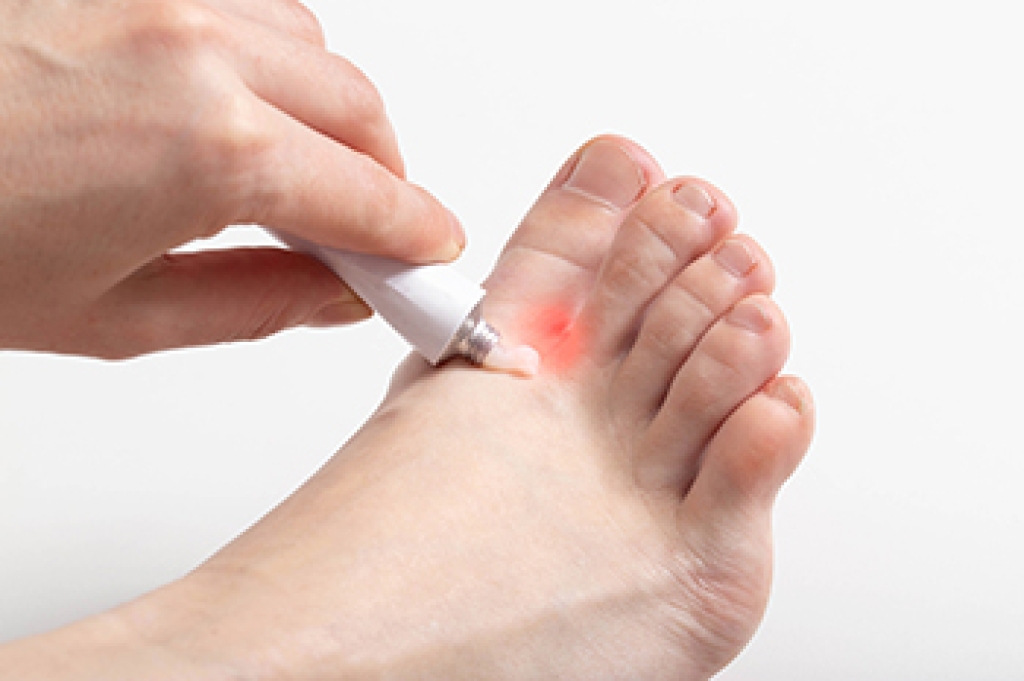
Athlete's foot is a common fungal infection of the skin that affects the feet, especially the areas between the toes. It develops when fungi thrive in warm, moist environments and begin to grow on the outer layer of skin. This condition is highly contagious and can spread through direct contact or shared surfaces, such as locker rooms and public showers. Although often mild in the early stages, athlete’s foot can worsenwithout proper care. Understanding its causes and early signs helps reduce discomfort and prevent further spread.
Symptoms of athlete’s foot often begin with itchy skin that may become persistent and irritating. The skin between the toes may appear sore, red, or soggy due to prolonged moisture exposure. Some individuals develop small blisters that can cause additional discomfort and sensitivity. Peeling, cracking, and flaking skin are also common, especially as the infection progresses. In more advanced cases, the affected area may become painful and interfere with walking or daily activities.
Several causes contribute to the development of this fungal infection. Warm and moist conditions create an ideal environment for fungal growth, especially when feet remain damp for extended periods. Wearing tight, non breathable shoes can trap moisture and increase the risk of infection. Walking barefoot in shared spaces also exposes the skin to fungi. Poor foot hygiene and not drying the feet thoroughly after bathing can further encourage the spread of infection.
Risk factors include excessive sweating, frequent use of communal areas, and prolonged use of enclosed footwear. Individuals with weakened immune systems or minor skin injuries may be more susceptible to infection. Preventive steps include keeping feet clean and dry, wearing moisture wicking socks, and choosing well-ventilated shoes. Early treatment can help control symptoms and prevent recurrence. If you have symptoms of athlete's foot, it is suggested that you consult a podiatrist for effective relief and treatment solutions, which may include prescribed medication.
Athlete’s Foot
Athlete’s foot is often an uncomfortable condition to experience. Thankfully, podiatrists specialize in treating athlete’s foot and offer the best treatment options. If you have any questions about athlete’s foot, consult with Dr. Milliron from Eternal Sole Foot and Ankle. Our doctor will assess your condition and provide you with quality treatment.
What Is Athlete’s Foot?
Tinea pedis, more commonly known as athlete’s foot, is a non-serious and common fungal infection of the foot. Athlete’s foot is contagious and can be contracted by touching someone who has it or infected surfaces. The most common places contaminated by it are public showers, locker rooms, and swimming pools. Once contracted, it grows on feet that are left inside moist, dark, and warm shoes and socks.
Prevention
The most effective ways to prevent athlete’s foot include:
Thoroughly washing and drying feet
Avoid going barefoot in locker rooms and public showers
Using shower shoes in public showers
Wearing socks that allow the feet to breathe
Changing socks and shoes frequently if you sweat a lot
Symptoms
Athlete’s foot initially occurs as a rash between the toes. However, if left undiagnosed, it can spread to the sides and bottom of the feet, toenails, and if touched by hand, the hands themselves. Symptoms include:
Redness
Burning
Itching
Scaly and peeling skin
Diagnosis and Treatment
Diagnosis is quick and easy. Skin samples will be taken and either viewed under a microscope or sent to a lab for testing. Sometimes, a podiatrist can diagnose it based on simply looking at it. Once confirmed, treatment options include oral and topical antifungal medications.
If you have any questions, please feel free to contact our office located in Pace and Jay, FL. We offer the newest diagnostic and treatment technologies for all your foot care needs.
Healthy feet absorb shock, maintain balance, and provide a stable base with every step. When foot muscles become weak or stiff, extra stress develops in the arches, heels, and toes. Regular foot exercise helps improve movement and builds strength in areas that work hard every day. Helpful exercises include toe spreads, standing calf raises, and writing the alphabet with the big toe to improve mobility. Another useful exercise is the asterisk drill, which challenges balance while strengthening the foot and ankle. Bent-knee heel raises also help support the back of the foot and ankle. These movements encourage better control while walking and can reduce strain on the tissues that support the foot.
Exercise works best when performed with proper technique. Poor form can place added stress on painful areas instead of improving them. Patients who continue to experience discomfort while walking, standing, or exercising should seek a professional evaluation instead of ignoring the problem. A podiatrist can determine the cause of the pain through a complete examination. Diagnosis includes evaluating foot structure, joint movement, and muscle strength. A podiatrist also looks for conditions like plantar fasciitis, arthritis, or nerve irritation that contribute to pain. Once the cause is identified, treatment focuses on correcting the problem while helping restore comfortable movement.
A podiatrist can suggest an exercise program based on each patient's condition instead of recommending the same routine for everyone. Care may also include custom orthotics that improve foot alignment and reduce pressure on painful areas. Braces or other supportive devices may be prescribed when appropriate. Patients also receive guidance about choosing shoes that provide proper support and fit correctly. Combining professional treatment with targeted exercises gives the feet a better opportunity to regain strength, improve mobility, and reduce pain. Stronger foot muscles support healthier movement with every step. If you have intense or consistent foot pain, it is suggested that you schedule an appointment with a podiatrist for a diagnosis and appropriate treatment.
Exercising your feet regularly with the proper foot wear is a great way to prevent injuries and build strength. If you have any concerns about your feet, contact Dr. Milliron from Eternal Sole Foot and Ankle. Our doctor can provide the care you need to keep you pain-free and on your feet.
Exercise for Your Feet
Exercise for your feet can help you gain strength, mobility and flexibility in your feet. They say that strengthening your feet can be just as rewarding as strengthening another part of the body. Your feet are very important, and we often forget about them in our daily tasks. But it is because of our feet that are we able to get going and do what we need to. For those of us fortunate enough to not have any foot problems, it is an important gesture to take care of them to ensure good health in the long run.
Some foot health exercises can include ankle pumps, tip-toeing, toe rises, lifting off the floor doing reps and sets, and flexing the toes. It is best to speak with Our doctor to determine an appropriate regimen for your needs. Everyone’s needs and bodies are different, and the activities required to maintain strength in the feet vary from individual to individual.
Once you get into a routine of doing regular exercise, you may notice a difference in your feet and how strong they may become.
If you have any questions, please feel free to contact our office located in Pace and Jay, FL. We offer the newest diagnostic and treatment technologies for all your foot care needs.
Neuropathy in the feet, also called peripheral neuropathy, happens when the nerves that carry messages between the feet and the brain become damaged. This can affect feeling, movement, or both. Symptoms often begin gradually and may include numbness, tingling, or a burning sensation in the feet. Some people also experience sharp pain or find it difficult to feel heat, cold, or injuries. Because sensation is reduced, cuts, blisters, or sores may go unnoticed and become more serious. Neuropathy is commonly linked to diabetes, but it can also have other causes. Early diagnosis is important because nerve damage may worsen if the underlying problem is not identified and managed.
A podiatrist plays an important role in protecting foot health when neuropathy is present. During an examination, the podiatrist checks sensation, circulation, and overall foot function. They also look for skin changes, pressure areas, or wounds that may have developed without being noticed. Treatment depends on the cause and severity of the condition. A podiatrist may recommend medical treatments, custom orthotics, or other measures to reduce pressure on vulnerable areas of the feet. Regular evaluations also help identify changes early and lower the risk of complications that could affect mobility.
Professional neuropathy treatment and podiatry care can help protect the feet and reduce the risk of long-term problems. Early care may improve comfort, support safer movement, and help prevent complications caused by reduced feeling in the feet. A podiatrist can also work with your healthcare team to monitor changes and provide treatment as your needs change. Prompt evaluation is especially important if symptoms continue to worsen or begin affecting your balance and walking. If you have numbness, tingling, or burning in your feet, it is suggested that you consult a podiatrist for an evaluation.
Neuropathy
Neuropathy can be a potentially serious condition, especially if it is left undiagnosed. If you have any concerns that you may be experiencing nerve loss in your feet, consult with Dr. Milliron from Eternal Sole Foot and Ankle. Our doctor will assess your condition and provide you with quality foot and ankle treatment for neuropathy.
What Is Neuropathy?
Neuropathy is a condition that leads to damage to the nerves in the body. Peripheral neuropathy, or neuropathy that affects your peripheral nervous system, usually occurs in the feet. Neuropathy can be triggered by a number of different causes. Such causes include diabetes, infections, cancers, disorders, and toxic substances.
Symptoms of Neuropathy Include:
Numbness
Sensation loss
Prickling and tingling sensations
Throbbing, freezing, burning pains
Muscle weakness
Those with diabetes are at serious risk due to being unable to feel an ulcer on their feet. Diabetics usually also suffer from poor blood circulation. This can lead to the wound not healing, infections occurring, and the limb may have to be amputated.
Treatment
To treat neuropathy in the foot, podiatrists will first diagnose the cause of the neuropathy. Figuring out the underlying cause of the neuropathy will allow the podiatrist to prescribe the best treatment, whether it be caused by diabetes, toxic substance exposure, infection, etc. If the nerve has not died, then it’s possible that sensation may be able to return to the foot.
Pain medication may be issued for pain. Electrical nerve stimulation can be used to stimulate nerves. If the neuropathy is caused from pressure on the nerves, then surgery may be necessary.
If you have any questions, please feel free to contact our office located in Pace and Jay, FL. We offer the newest diagnostic and treatment technologies for all your foot care needs.
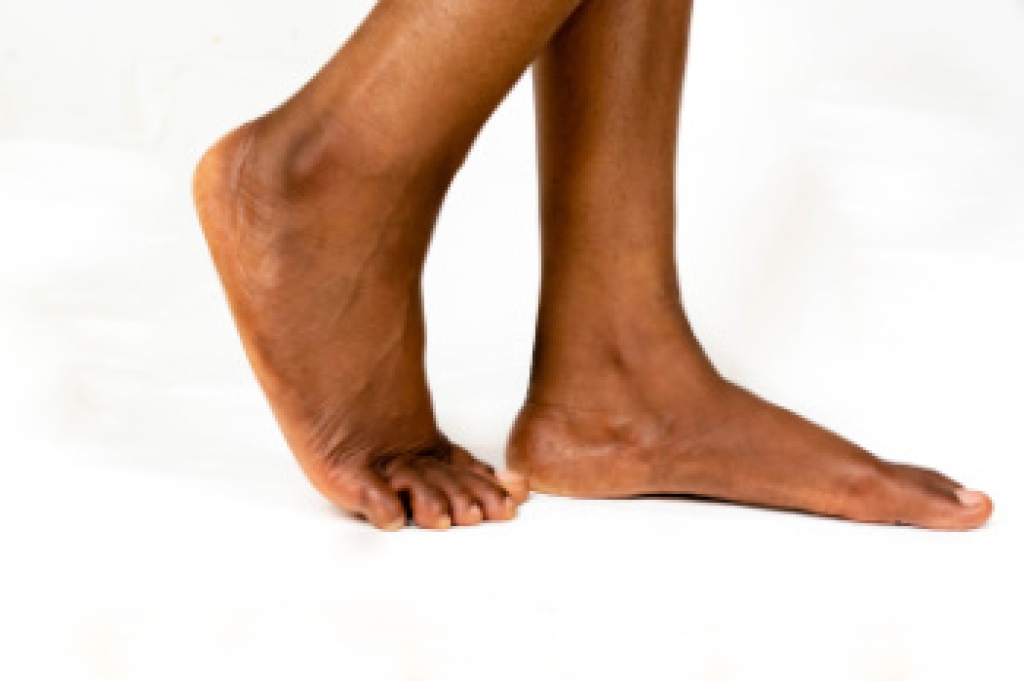
Flat feet occur when the arches of the feet are low or absent, causing most or all of the sole to make contact with the ground while standing. Some people are born with flat feet, while others develop them later in life. Aging, injuries, arthritis, and certain inherited conditions can affect the structures that support the arch. Flat feet do not always cause discomfort, but they can change the way weight is distributed across the feet. This change can place added stress on the heels, ankles, and lower legs. As a result, some people experience pain, fatigue, or difficulty with movement.
Symptoms of flat feet vary from person to person. Included are pain in the arch, heel, or ankle. Swelling around the ankle or discomfort that increases while walking or prolonged standing may also occur. Flat feet can affect body alignment, leading to pain in the knees, hips, or lower back. A podiatrist can evaluate the structure and function of the feet through a physical examination and gait analysis. This assessment looks at how the feet move and bear weight. Diagnostic imaging, like X-rays can provide additional information about the bones and joints. Identifying the cause of flat feet is an important step in creating an effective treatment plan.
Treatment focuses on reducing pain, improving foot function, and supporting the arches. A podiatrist can prescribe custom orthotics to improve alignment and reduce strain on the feet. Other treatment options include ankle bracing and recommendations for shoes with proper support and stability. A podiatrist can manage related conditions that contribute to flat feet and monitor changes in foot structure. In severe cases, surgery can correct structural problems that are causing significant pain or limiting mobility. If you have flatfoot pain, it is suggested that you schedule an appointment with a podiatrist for diagnosis and appropriate relief and treatment solutions.
Flatfoot is a condition many people suffer from. If you have flat feet, contact Dr. Milliron from Eternal Sole Foot and Ankle. Our doctor will treat your foot and ankle needs.
What Are Flat Feet?
Flatfoot is a condition in which the arch of the foot is depressed and the sole of the foot is almost completely in contact with the ground. About 20-30% of the population generally has flat feet because their arches never formed during growth.
Conditions & Problems:
Having flat feet makes it difficult to run or walk because of the stress placed on the ankles.
Alignment – The general alignment of your legs can be disrupted, because the ankles move inward which can cause major discomfort.
Knees – If you have complications with your knees, flat feet can be a contributor to arthritis in that area.
Symptoms
Pain around the heel or arch area
Trouble standing on the tip toe
Swelling around the inside of the ankle
Flat look to one or both feet
Having your shoes feel uneven when worn
Treatment
If you are experiencing pain and stress on the foot you may weaken the posterior tibial tendon, which runs around the inside of the ankle.
If you have any questions, please feel free to contact our office located in Pace and Jay, FL. We offer the newest diagnostic and treatment technologies for all your foot care needs.