Causes of Ankle Pain While Walking

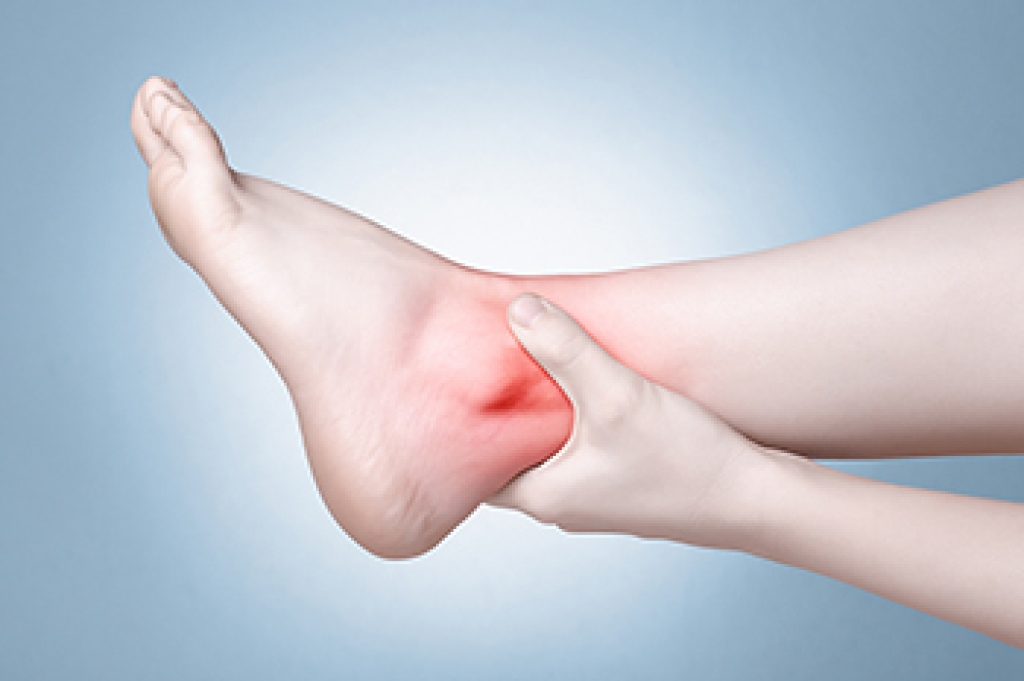
Ankle pain when walking can make simple activities feel difficult. The ankle supports the body and helps the foot move with each step, so pain in this area can affect balance and movement. Ankle pain can develop after an injury, but it can also have other causes. Sprains, tendon problems, and issues involving the bones or joints can all contribute to ankle discomfort. Pain may occur on one or both sides of the ankle, and can range from mild soreness to sharp or severe discomfort. Swelling, stiffness, or difficulty putting weight on the foot can also occur. A podiatrist can examine the ankle and determine what could be causing the pain.

A podiatrist can assess the ankle by checking its movement, strength, and areas of tenderness. The examination helps determine whether the pain is related to an injury, a tendon, or another part of the foot and ankle. Treatment depends on the cause and severity of the symptoms. Care can include protecting the affected area, reducing stress on the ankle, and using treatment designed to improve movement and function. A podiatrist can also assess how foot structure and walking patterns affect the ankle. This can be helpful when pain continues or returns after activity. 

Ankle pain while walking should receive prompt attention when it is severe or makes it difficult to put weight on the foot. Significant swelling, a change in the shape of the ankle, or severe pain after an injury can also require careful evaluation. A podiatrist can determine whether imaging or additional treatment is appropriate based on the findings. Identifying the cause of ankle pain can help guide care and reduce the chance of continued problems with movement. An evaluation is also useful when ankle pain continues without a clear injury. If you have ankle pain while walking, it is suggested that you schedule an appointment with a podiatrist for a diagnosis and appropriate treatment.

Ankle pain can be caused by a number of problems and may be potentially serious. If you have ankle pain, consult with Dr. Milliron from Eternal Sole Foot and Ankle. Our doctor will assess your condition and provide you with quality foot and ankle treatment.

Ankle pain is any condition that causes pain in the ankle. Due to the fact that the ankle consists of tendons, muscles, bones, and ligaments, ankle pain can come from a number of different conditions.

Causes

The most common causes of ankle pain include:

  • Types of arthritis (rheumatoid, osteoarthritis, and gout)
  • Ankle sprains
  • Broken ankles
  • Achilles tendonitis
  • Achilles tendon rupture
  • Stress fractures
  • Bursitis
  • Tarsal tunnel syndrome
  • Plantar fasciitis

Symptoms

Symptoms of ankle injury vary based upon the condition. Pain may include general pain and discomfort, swelling, aching, redness, bruising, burning or stabbing sensations, and/or loss of sensation.

Diagnosis

Due to the wide variety of potential causes of ankle pain, podiatrists will utilize a number of different methods to properly diagnose ankle pain. This can include asking for personal and family medical histories and of any recent injuries. Further diagnosis may include sensation tests, a physical examination, and potentially x-rays or other imaging tests.

Treatment

Just as the range of causes varies widely, so do treatments. Some more common treatments are rest, ice packs, keeping pressure off the foot, orthotics and braces, medication for inflammation and pain, and surgery.

If you have any questions please feel free to contact our office located in Pace and Jay, FL . We offer the newest diagnostic tools and technology to treat your foot and ankle needs.
Read more about Various Causes of Ankle Pain

Understanding Clubfoot in Children

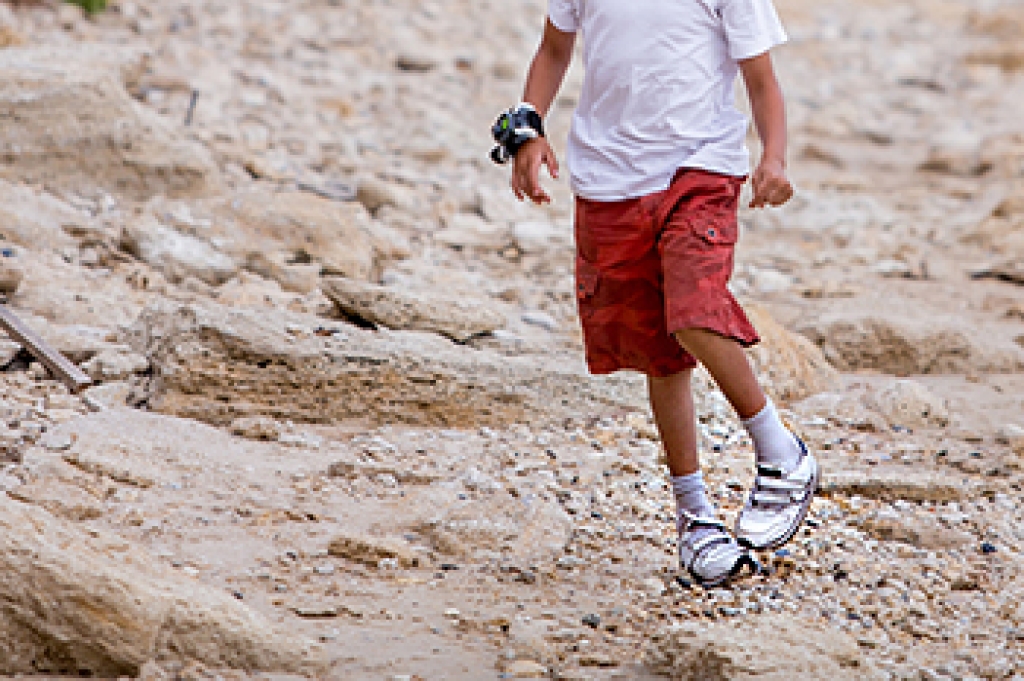
Clubfoot is a congenital foot deformity in which one or both feet are turned inward and downward. The medical term is talipes equinovarus. The affected foot may appear smaller than expected, with the heel turned inward and the front of the foot angled toward the opposite leg. The ankle may also have limited movement. Clubfoot is usually present at birth and can be identified during a routine newborn examination. In some cases, it can be seen during a prenatal ultrasound. Although the foot may look significantly different, clubfoot is treatable, and early care can help a child develop a functional foot for walking.

The exact cause of clubfoot is not always known. It may involve a combination of genetic and environmental factors that affect the development of the muscles, tendons, and connective tissues of the foot. Having a family history of clubfoot can increase risk. Symptoms are primarily related to the foot position and stiffness rather than pain in a newborn. Without treatment, the child may eventually have difficulty placing the foot flat on the ground and developing a normal walking pattern.

The Ponseti method is a widely used treatment for clubfoot. Treatment usually begins soon after birth and involves gentle manipulation followed by a series of casts that gradually guide the foot into a more appropriate position. A podiatrist changes the cast regularly while monitoring correction. The foot is then maintained in its corrected position with a brace according to the treatment plan.

Follow-up care is important because clubfoot can return as a child grows. The podiatrist monitors foot position, flexibility, and development during follow-up visits. Parents are given instructions about brace use and are encouraged to attend scheduled appointments so changes can be identified early. If your child has clubfoot, it is suggested that you consult a podiatrist who can help support healthy foot development.

Congenital foot problems require immediate attention to avoid future complications. If you have any concerns, contact Dr. Milliron of Eternal Sole Foot and Ankle. Our doctor can provide the care you need to keep you pain-free and on your feet.

Congenital foot problems are deformities affecting the feet, toes, and/or ankles that children are born with. Some of these conditions have a genetic cause while others just happen. Some specific foot ailments that children may be born with include clubfeet, polydactyly/macrodactyly, and cleft foot. There are several other foot anomalies that can occur congenitally. What all of these conditions have in common is that a child may experience difficulty walking or performing everyday activities, as well as trouble finding footwear that fits their foot deformity. Some of these conditions are more serious than others. Consulting with a podiatrist as early as possible will help in properly diagnosing a child’s foot condition while getting the necessary treatment underway.

What are Causes of Congenital Foot Problem?

A congenital foot problem is one that happens to a child at birth. These conditions can be caused by a genetic predisposition, developmental or positional abnormalities during gestation, or with no known cause.

What are Symptoms of Congenital Foot Problems?

Symptoms vary by the congenital condition. Symptoms may consist of the following:

  • Clubfoot, where tendons are shortened, bones are shaped differently, and the Achilles tendon is tight, causing the foot to point in and down. It is also possible for the soles of the feet to face each other.
  • Polydactyly, which usually consists of a nubbin or small lump of tissue without a bone, a toe that is partially formed but has no joints, or an extra toe.
  • Vertical talus, where the talus bone forms in the wrong position causing other bones in the foot to line up improperly, the front of the foot to point up, and the bottom of the foot to stiffen, with no arch, and to curve out.
  • Tarsal coalition, when there is an abnormal connection of two or more bones in the foot leading to severe, rigid flatfoot.
  • Cleft foot, where there are missing toes, a V-shaped cleft, and other anatomical differences.
  • Macrodactyly, when the toes are abnormally large due to overgrowth of the underlying bone or soft tissue.

Treatment and Prevention

While there is nothing one can do to prevent congenital foot problems, raising awareness and receiving neonatal screenings are important. Early detection by taking your child to a podiatrist leads to the best outcome possible.

If you have any questions, please feel free to contact our office located in Pace and Jay, FL . We offer the newest diagnostic and treatment technologies for all your foot care needs.

Read more about Congenital Foot Problems

Causes of Bruised Heels in Active Individuals

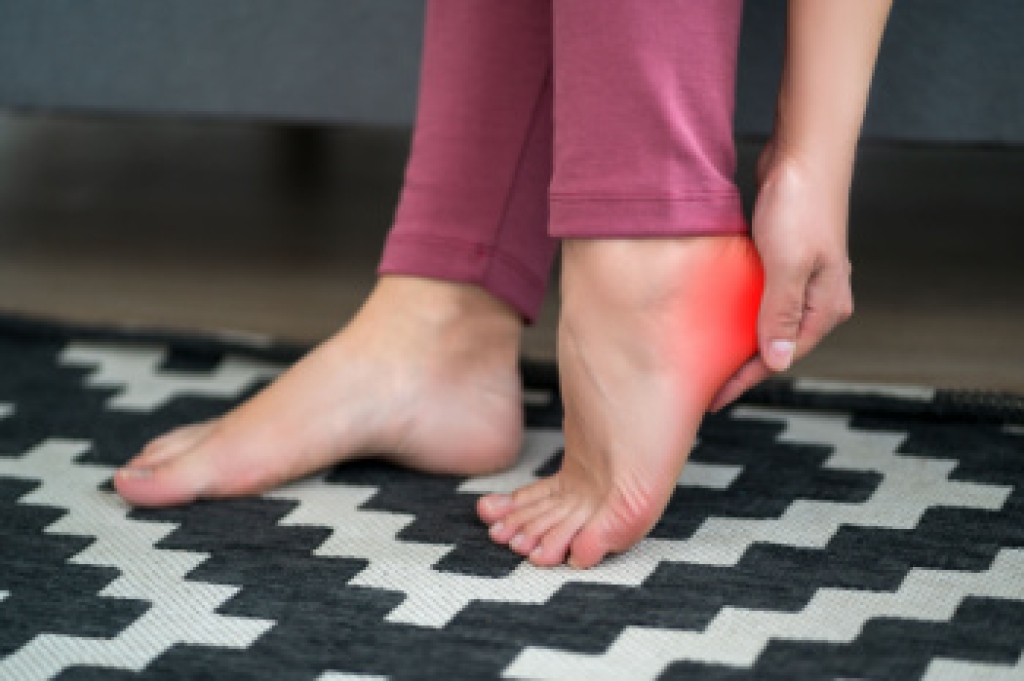
Heel pain is a common foot complaint that can affect people of all activity levels. One specific cause of heel pain is a bruised heel, also known as a heel contusion. This condition occurs when the fat pad under the heel becomes damaged due to repeated impact or a sudden force. The heel pad acts as a natural shock absorber, but excessive stress can lead to bleeding under the skin and tissue irritation. Understanding the source of heel pain is essential for preventing further injury and maintaining proper foot function.

Symptoms of a bruised heel include tenderness and discomfort while walking or standing. Patients may notice a red or purple bruise on the outside of the heel, which is a sign of bleeding beneath the skin surface. The area may feel sore to the touch and worsen with weight-bearing activity. Unlike other causes of heel pain, such as plantar fasciitis, a bruised heel is usually linked to direct impact and may feel more localized. Swelling and stiffness may also be present, making daily movement more difficult.


Several risk factors increase the likelihood of developing a bruised heel. Repetitive pounding on the foot, especially during running or jumping activities, places stress on the heel pad. Wearing loose-fitting shoes can reduce stability and allow the foot to shift, increasing impact forces. Jumping from a high spot and landing directly on the feet can cause immediate injury to the heel. Individuals with high-impact lifestyles or improper footwear choices are at greater risk for developing heel contusions and ongoing discomfort.


Proper care for heel pain includes rest, supportive footwear, and avoiding high-impact activities during recovery. Custom insoles can help reduce pressure on the heel and promote healing. Early evaluation by a podiatrist can confirm the diagnosis and rule out other conditions. Timely treatment helps prevent chronic pain and long-term damage. If you have bruised your heel, it is suggested that you consult a podiatrist for effective relief and treatment solutions.

Many people suffer from bouts of heel pain. For more information, contact Dr. Milliron of Eternal Sole Foot and Ankle. Our doctor can provide the care you need to keep you pain-free and on your feet.

Causes of Heel Pain

Heel pain is often associated with plantar fasciitis. The plantar fascia is a band of tissues that extends along the bottom of the foot. A rip or tear in this ligament can cause inflammation of the tissue.

Achilles tendonitis is another cause of heel pain. Inflammation of the Achilles tendon will cause pain from fractures and muscle tearing. Lack of flexibility is also another symptom.

Heel spurs are another cause of pain. When the tissues of the plantar fascia undergo a great deal of stress, it can lead to ligament separation from the heel bone, causing heel spurs.

Why Might Heel Pain Occur?

  • Wearing ill-fitting shoes                
  • Wearing non-supportive shoes
  • Weight change           
  • Excessive running

Treatments

Heel pain should be treated as soon as possible for immediate results. Keeping your feet in a stress-free environment will help. If you suffer from Achilles tendonitis or plantar fasciitis, applying ice will reduce the swelling. Stretching before an exercise like running will help the muscles. Using all these tips will help make heel pain a condition of the past.

If you have any questions, please feel free to contact our office located in Pace and Jay, FL . We offer the newest diagnostic and treatment technologies for all your foot care needs.

Read more about Heel Pain

How a Podiatrist Can Treat Athlete’s Foot

Athlete’s foot is a fungal infection that affects the skin of the feet. It frequently begins between the toes, where moisture can collect. The fungus grows well in warm, damp environments, including locker rooms, swimming pool areas, and public showers. It can spread through direct contact with infected skin or contaminated surfaces. Shoes can also create a warm environment that encourages fungal growth, especially when feet sweat heavily. Although the name suggests a sports-related problem, athlete’s foot can affect anyone who comes into contact with the fungus.

Symptoms can vary depending on the area of the foot involved. The skin between the toes can become cracked, peeling, or scaly. Itching, burning, and stinging can also occur. Some patients develop blisters or dry skin along the soles and sides of the feet. Athlete’s foot can spread to the toenails, making the infection more difficult to treat successfully and completely. Scratching infected skin and then touching another part of the body can spread the fungus. Because other skin problems can look similar, an accurate diagnosis is important before treatment begins.

A podiatrist can examine the affected skin and determine whether a fungal infection is causing the symptoms. When the diagnosis is uncertain, testing a small skin sample can help identify fungus. Treatment includes antifungal medication applied to the skin or, in more stubborn cases, oral medicine may be prescribed.  A podiatrist can also evaluate recurring infections and look for factors that allow the fungus to return. Following the prescribed treatment for the full recommended period is important because stopping too early can allow the infection to remain. If you have symptoms of athlete’s foot, it is suggested that you schedule an appointment with a podiatrist for effective relief and treatment solutions. 

Athlete’s foot is an inconvenient condition that can be easily reduced with the proper treatment. If you have any concerns about your feet and ankles, contact Dr. Milliron from Eternal Sole Foot and Ankle.  Our doctor will treat your foot and ankle needs.

Athlete’s Foot: The Sole Story

Athlete's foot, also known as tinea pedis, can be an extremely contagious foot infection. It is commonly contracted in public changing areas and bathrooms, dormitory style living quarters, around locker rooms and public swimming pools, or anywhere your feet often come into contact with other people.

Solutions to Combat Athlete’s Foot

  • Hydrate your feet by using lotion
  • Exfoliate
  • Buff off nails
  • Use of anti-fungal products
  • Examine your feet and visit your doctor if any suspicious blisters or cuts develop

Athlete’s foot can cause many irritating symptoms such as dry and flaking skin, itching, and redness. Some more severe symptoms can include bleeding and cracked skin, intense itching and burning, and even pain when walking. In the worst cases, Athlete’s foot can cause blistering as well. Speak to your podiatrist for a better understanding of the different causes of Athlete’s foot, as well as help in determining which treatment options are best for you.

If you have any questions please feel free to contact our office located in Pace and Jay, FL . We offer the newest diagnostic and treatment technologies for all your foot and ankle needs.

Read more about How to Deal with Athlete's Foot

Heel Pain in the Morning?

Heel pain can negatively affect your day-to-day life. Simple activities like walking can become incredibly uncomfortable or painful due to heel pain.

Don’t live with heel pain and get treated.

Advanced Podiatric Procedures & Services in the Santa Rosa County, FL: Pace, Jay, Milton, Gulf Breeze, Navarre, Bagdad, Molino, Jay, Bagdad, Cantonment, Escambia County, FL: Pensacola, Cantonment, Warrington, Ensley, Beulah, Okaloosa County, FL: Crestview, Fort Walton Beach, Niceville areas