
Healthy Feet Support Balance and Stability

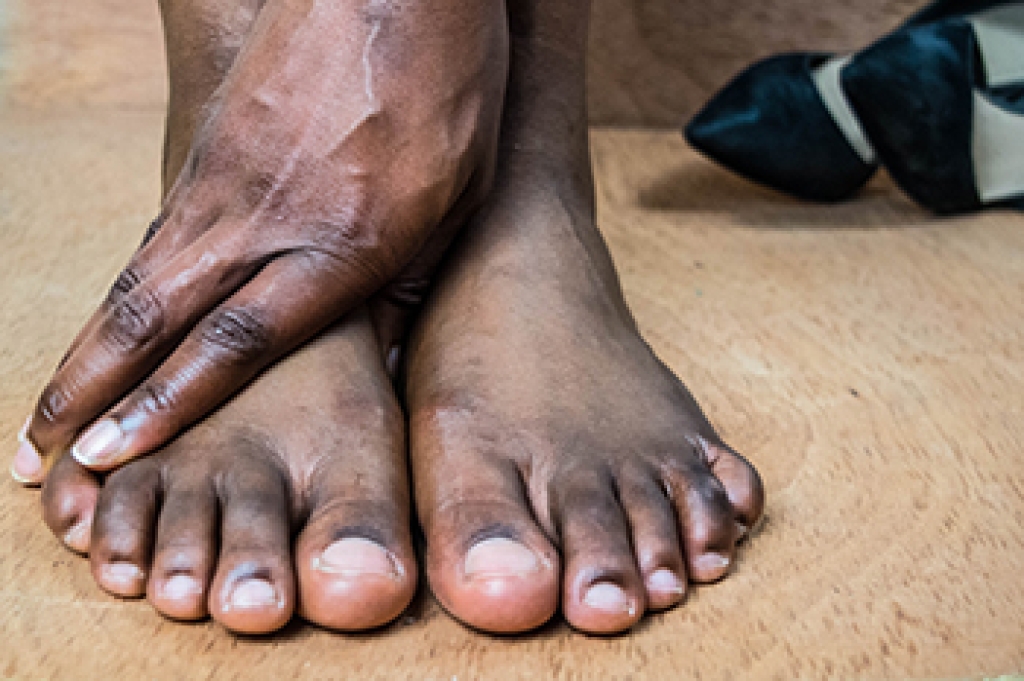
Strong, comfortable feet play an important role in maintaining balance during daily activities. When foot pain, deformities, or nerve problems are present, it becomes harder to move with confidence. Conditions such as bunions, hammertoes, arthritis, and nerve damage can change the way a person walks and reduce stability. Thick toenails, poor sensation, or painful calluses may also make each step less secure. For older adults especially, these issues can increase the likelihood of losing balance during routine movement. Regular foot care can make a meaningful difference. Keeping toenails trimmed, treating painful skin conditions, wearing supportive shoes, and maintaining strength in the muscles of the feet and ankles all help support steadier movement. A podiatrist can identify structural problems, recommend treatment, and provide guidance on proper footwear and foot health. If you experience foot pain, numbness, or changes in the way you walk, it is suggested that you see a podiatrist for a proper diagnosis and appropriate treatment.

Preventing falls among the elderly is very important. If you are older and have fallen or fear that you are prone to falling, consult with Dr. Milliron from Eternal Sole Foot and Ankle. Our doctor will assess your condition and provide you with quality advice and care.

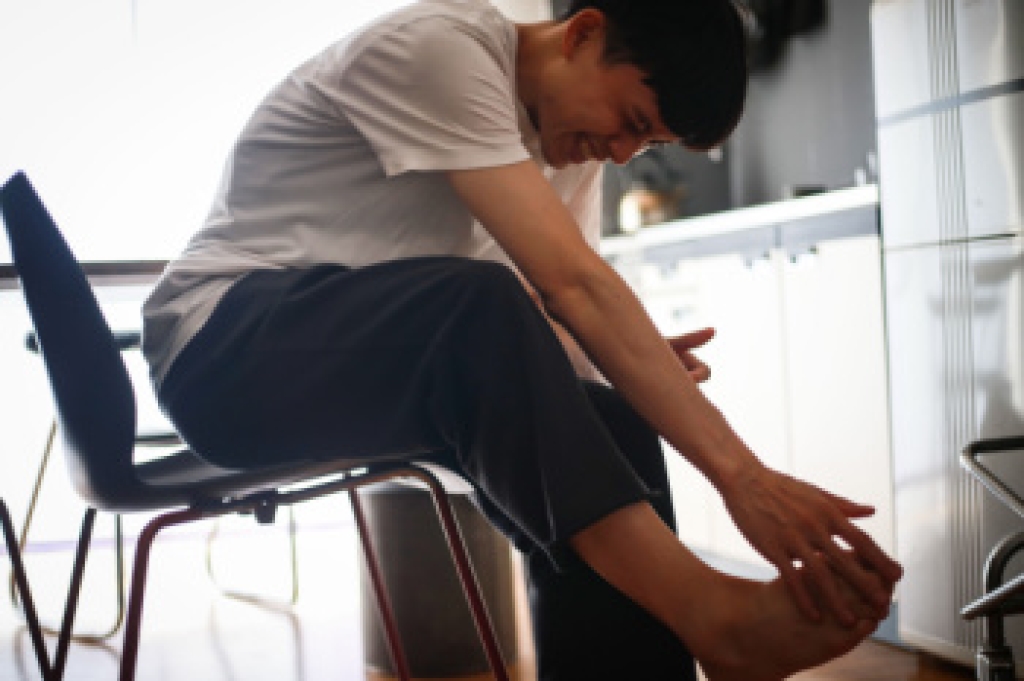
Every 11 seconds, an elderly American is being treated in an emergency room for a fall related injury. Falls are the leading cause of head and hip injuries for those 65 and older. Due to decreases in strength, balance, senses, and lack of awareness, elderly persons are very susceptible to falling. Thankfully, there are a number of things older persons can do to prevent falls.

How to Prevent Falls

Some effective methods that older persons can do to prevent falls include:

  • Enrolling in strength and balance exercise program to increase balance and strength
  • Periodically having your sight and hearing checked
  • Discuss any medications you have with a doctor to see if it increases the risk of falling
  • Clearing the house of falling hazards and installing devices like grab bars and railings
  • Utilizing a walker or cane
  • Wearing shoes that provide good support and cushioning
  • Talking to family members about falling and increasing awareness

Falling can be a traumatic and embarrassing experience for elderly persons; this can make them less willing to leave the house, and less willing to talk to someone about their fears of falling. Doing such things, however, will increase the likelihood of tripping or losing one’s balance. Knowing the causes of falling and how to prevent them is the best way to mitigate the risk of serious injury.  

If you have any questions, please feel free to contact our office located in Pace and Jay, FL . We offer the newest diagnostic and treatment technologies for all your foot care needs.
Read more about Falls Prevention

How Certain Genetic Conditions Can Affect the Feet

Some genetic disorders can influence the way bones, joints, and connective tissues develop in the feet. Because the feet contain many small bones and joints, inherited conditions may change their shape, alignment, or flexibility. Achondroplasia, a common form of dwarfism, affects bone growth and may lead to changes in leg alignment that place extra stress on the feet and ankles during walking. Ellis van Creveld syndrome is a rare genetic condition that can cause short limbs and sometimes extra toes, which may affect balance and shoe fit. Marfan syndrome affects the body’s connective tissue and often leads to long, flexible feet with loose joints that can increase the risk of ankle instability. These structural differences may lead to discomfort, fatigue, or changes in walking over time. When unusual foot structure or persistent pain develops, it is suggested that you see a podiatrist for a proper diagnosis and appropriate treatment.

Some foot conditions may require additional professional care. If you have any concerns, contact Dr. Milliron of Eternal Sole Foot and Ankle. Our doctor can provide the care you need to keep you pain-free and on your feet.

Rare Foot Conditions

The majority of foot conditions are common and can be treated by a podiatrist.  Standard diagnostic procedures are generally used to identify specific conditions and treatment can be rendered. A podiatrist also treats rare foot conditions which can be difficult to diagnose and may need extra attention and care. 

There are many rare foot conditions that can affect children. Some of these can include:

  • Freiberg’s disease
  • Kohler’s disease
  • Maffucci syndrome

Freiberg’s disease - This can be seen as a deterioration and flattening of a metatarsal bone that exists in the ball of the foot. It typically affects pre-teen and teenage girls, but can affect anyone at any age. Symptoms that can accompany this can be swelling, stiffness, and the patient may limp. 

Kohler’s disease - This often targets the bone in the arch of the foot and affects younger boys. It can lead to an interruption of the blood supply which ultimately can lead to bone deterioration. The patient may limp or experience tenderness, swelling, and redness.

Maffucci syndrome - This affects the long bones in a child’s foot leading to the development of abnormal bone lesions. They are benign growths and typically develop in early childhood and the bones may be susceptible to breaking. 

A podiatrist can properly diagnose and treat all types of rare foot conditions. If your child is affected by any of these symptoms or conditions, please don’t hesitate to call our office so the correct treatment method can begin.

If you have any questions, please feel free to contact our office located in Pace and Jay, FL . We offer the newest diagnostic and treatment technologies for all your foot care needs.
Read more about Rare Foot Conditions

Managing Flare-Ups From Gout

Gout flare-ups can cause intense foot pain, especially in the big toe, where uric acid crystals build up in the joint and lead to sudden swelling, warmth, and redness. These episodes often begin without warning and make it difficult to put pressure on the foot or move the affected toe or ankle. Gout is a type of chronic  arthritis that is long-term and treatable, but not curable. Repeated gout flares can occur if uric acid levels rise again. Shoes with inadequate support, prolonged standing, and dehydration can place extra stress on sensitive joints and worsen discomfort during a gout flare. Untreated gout can damage the soft tissue inside the affected joint and increase the risk of serious kidney problems. A podiatrist can evaluate joint swelling, test uric acid levels to confirm the diagnosis, and prescribe medication to help reduce symptoms. If you have pain from gout, it is suggested that you make an appointment with a podiatrist for an exam and managed care.

Gout is a painful condition that can be treated. If you are seeking treatment, contact Dr. Milliron from Eternal Sole Foot and Ankle. Our doctor will treat your foot and ankle needs.

What Is Gout?

Gout is a form of arthritis that is characterized by sudden, severe attacks of pain, redness, and tenderness in the joints. The condition usually affects the joint at the base of the big toe. A gout attack can occur at any random time, such as the middle of the night while you are asleep.

Symptoms

  • Intense Joint Pain - Usually around the large joint of your big toe, and it most severe within the first four to twelve hours
  • Lingering Discomfort - Joint discomfort may last from a few days to a few weeks
  • Inflammation and Redness -Affected joints may become swollen, tender, warm and red
  • Limited Range of Motion - May experience a decrease in joint mobility

Risk Factors

  • Genetics - If family members have gout, you’re more likely to have it
  • Medications - Diuretic medications can raise uric acid levels
  • Gender/Age - Gout is more common in men until the age of 60. It is believed that estrogen protects women until that point
  • Diet - Eating red meat and shellfish increases your risk
  • Alcohol - Having more than two alcoholic drinks per day increases your risk
  • Obesity - Obese people are at a higher risk for gout

Prior to visiting your podiatrist to receive treatment for gout, there are a few things you should do beforehand. If you have gout you should write down your symptoms--including when they started and how often you experience them, important medical information you may have, and any questions you may have. Writing down these three things will help your podiatrist in assessing your specific situation so that he or she may provide the best route of treatment for you.

If you have any questions, please feel free to contact our office located in Pace and Jay, FL . We offer the newest diagnostic and treatment technologies for all your foot care needs.
Read more about Gout

Stop Your Toenail Fungus

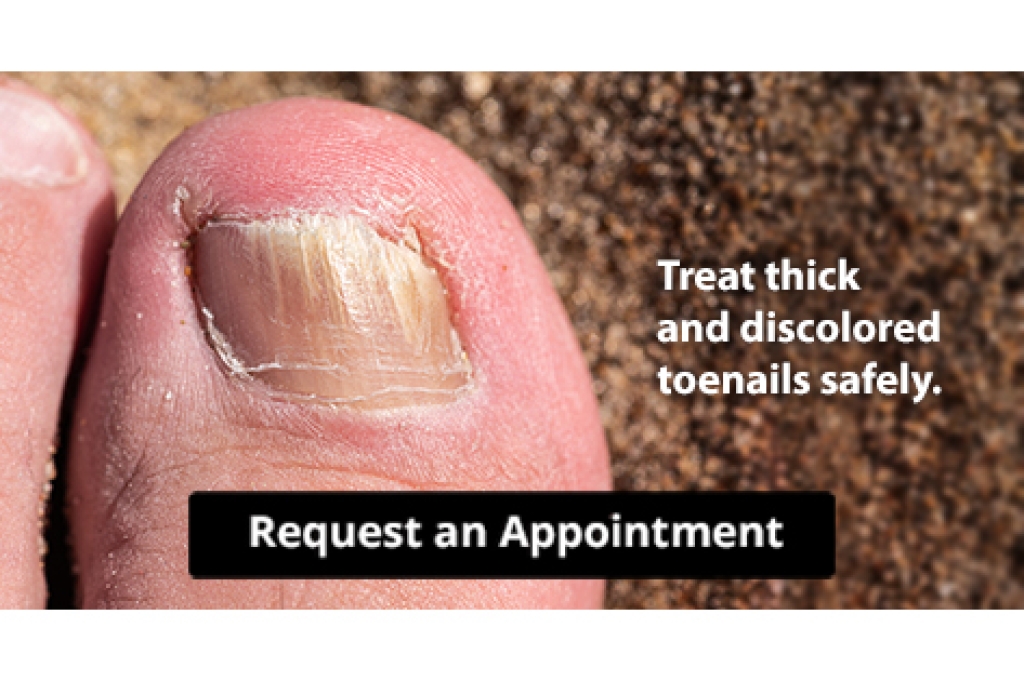
Have you noticed discoloration of your toenails? Have they become thickened or brittle? If so, you may be experiencing symptoms of a fungal nail infection. For some, having a fungal nail can be embarrassing. Overcome your embarrassment, and get treated.

Nail Puncture Wounds and Why Foot Location Matters

Stepping on a nail may seem minor at first, but puncture wounds to the foot can quickly become serious. The depth of the injury, where it enters the foot, and what was worn at the time, all affect risk. Injuries closer to the toes are more likely to lead to joint infections or bone involvement, while punctures in the middle of the foot are often less severe and can sometimes be treated without hospitalization. Wearing athletic shoes at the time of injury raises concern because bacteria can be driven deep into the foot through the sole, increasing the chance of infection. Even a clean-looking nail can still cause complications. Pain, swelling, redness, drainage, or trouble walking should never be ignored. Because infections may not appear right away, it is suggested that you see a podiatrist for proper evaluation, imaging if needed, and appropriate treatment to reduce the risk of long-term problems.

Wound care is an important part in dealing with diabetes. If you have diabetes and a foot wound or would like more information about wound care for diabetics, consult with Dr. Milliron from Eternal Sole Foot and Ankle. Our doctor will assess your condition and provide you with quality foot and ankle treatment.

What Is Wound Care?

Wound care is the practice of taking proper care of a wound. This can range from the smallest to the largest of wounds. While everyone can benefit from proper wound care, it is much more important for diabetics. Diabetics often suffer from poor blood circulation which causes wounds to heal much slower than they would in a non-diabetic. 

What Is the Importance of Wound Care?

While it may not seem apparent with small ulcers on the foot, for diabetics, any size ulcer can become infected. Diabetics often also suffer from neuropathy, or nerve loss. This means they might not even feel when they have an ulcer on their foot. If the wound becomes severely infected, amputation may be necessary. Therefore, it is of the upmost importance to properly care for any and all foot wounds.

How to Care for Wounds

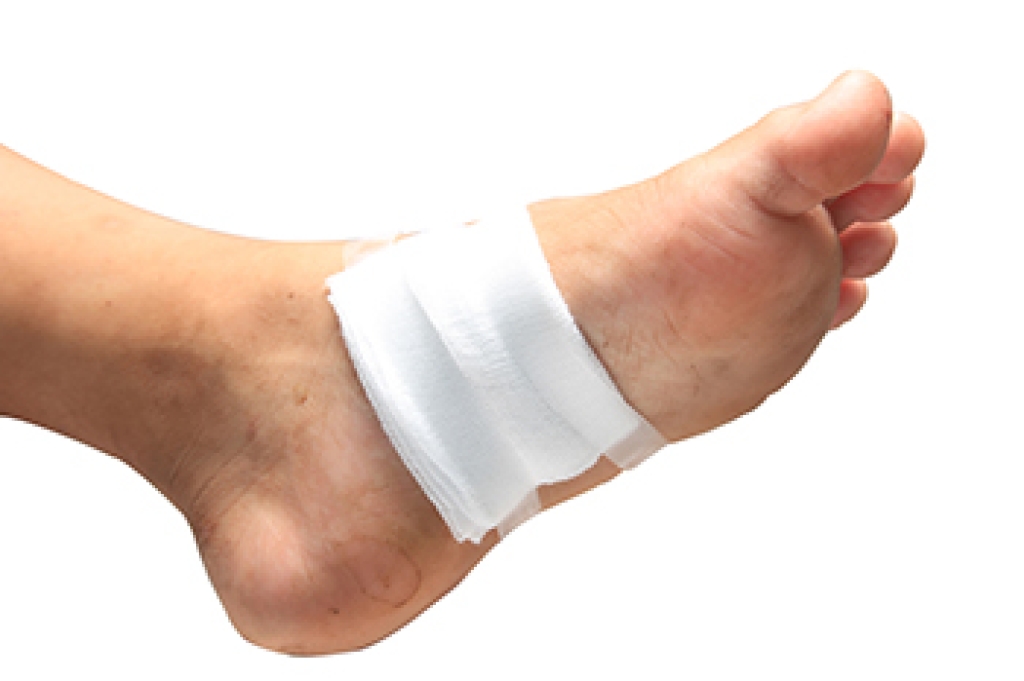
The best way to care for foot wounds is to prevent them. For diabetics, this means daily inspections of the feet for any signs of abnormalities or ulcers. It is also recommended to see a podiatrist several times a year for a foot inspection. If you do have an ulcer, run the wound under water to clear dirt from the wound; then apply antibiotic ointment to the wound and cover with a bandage. Bandages should be changed daily and keeping pressure off the wound is smart. It is advised to see a podiatrist, who can keep an eye on it.

If you have any questions please contact our office located in Pace and Jay, FL . We offer the newest diagnostic and treatment technologies for all your foot and ankle needs.

Read more about Wound Care
scroll to top