Items filtered by date: November 2025
Struggling with Diabetic Foot Ulcers?
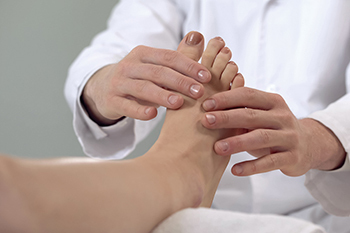
By offering treatments such as Hyperbaric Oxygen Therapy, Debridement, Offloading, Specialty Dressings, and more, we provide not just hope but a comprehensive approach to healing for those suffering from non-healing foot and leg wounds.
See if advanced wound care is right for you - Request an appointment today!
Relief for Persistent Heel Pain in Daily Life
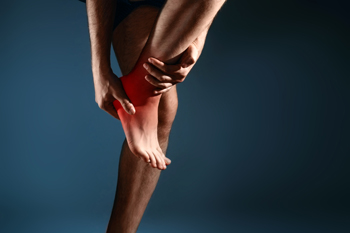
Heel pain from conditions such as plantar fasciitis or bone spurs is a common problem that can interfere with normal activities and overall comfort. These issues often develop from repetitive strain, poor footwear, high arches, or prolonged standing, leading to inflammation or bony growths in the heel area. Symptoms may include sharp pain with the first steps in the morning, aching discomfort after activity, or tenderness when pressing on the bottom or back of the heel. The affected area may appear slightly swollen or feel warm, and walking can become difficult when the pain increases. A podiatrist can begin by evaluating your foot structure, gait, and medical history to determine the exact cause of your discomfort. Treatment may include stretching programs, supportive custom orthotics, targeted footwear recommendations, anti-inflammatory therapies, or, in some cases, advanced modalities to reduce inflammation and promote healing. Early attention helps prevent worsening symptoms and supports long-term recovery. If you experience ongoing heel discomfort, it is suggested that you make an appointment with a podiatrist.
Many people suffer from bouts of heel pain. For more information, contact Dr. Milliron of Eternal Sole Foot and Ankle. Our doctor can provide the care you need to keep you pain-free and on your feet.
Causes of Heel Pain
Heel pain is often associated with plantar fasciitis. The plantar fascia is a band of tissues that extends along the bottom of the foot. A rip or tear in this ligament can cause inflammation of the tissue.
Achilles tendonitis is another cause of heel pain. Inflammation of the Achilles tendon will cause pain from fractures and muscle tearing. Lack of flexibility is also another symptom.
Heel spurs are another cause of pain. When the tissues of the plantar fascia undergo a great deal of stress, it can lead to ligament separation from the heel bone, causing heel spurs.
Why Might Heel Pain Occur?
- Wearing ill-fitting shoes
- Wearing non-supportive shoes
- Weight change
- Excessive running
Treatments
Heel pain should be treated as soon as possible for immediate results. Keeping your feet in a stress-free environment will help. If you suffer from Achilles tendonitis or plantar fasciitis, applying ice will reduce the swelling. Stretching before an exercise like running will help the muscles. Using all these tips will help make heel pain a condition of the past.
If you have any questions, please feel free to contact our office located in Pace and Jay, FL . We offer the newest diagnostic and treatment technologies for all your foot care needs.
The Hidden Pain Behind High Heels
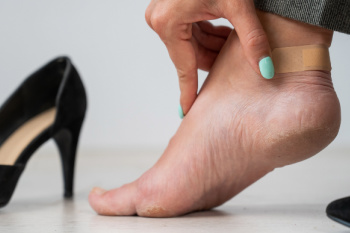
Wearing high heels may look stylish, but they can cause serious foot problems over time. High heels shift body weight forward, putting excessive pressure on the toes and the ball of the foot. This unnatural position can lead to bunions, hammertoes, corns, and sometimes nerve pain. Symptoms include aching arches, burning sensations, stiffness, or numbness after wearing heels for long periods. The feet may appear red, misaligned, or swollen, especially near the toes and forefoot. Over time, high heels can also affect posture and contribute to knee, hip, and back pain. A podiatrist can help identify the source of discomfort with a thorough foot evaluation, gait analysis, and imaging if needed. Treatment options include custom orthotics, footwear recommendations, stretching exercises, or in severe cases, corrective procedures. It is suggested that you make an appointment with a podiatrist to protect your feet and find pain-free solutions while maintaining your style.
High heels have a history of causing foot and ankle problems. If you have any concerns about your feet or ankles, contact Dr. Milliron from Eternal Sole Foot and Ankle. Our doctor can provide the care you need to keep you pain-free and on your feet.
Effects of High Heels on the Feet
High heels are popular shoes among women because of their many styles and societal appeal. Despite this, high heels can still cause many health problems if worn too frequently.
Which Parts of My Body Will Be Affected by High Heels?
- Ankle Joints
- Achilles Tendon – May shorten and stiffen with prolonged wear
- Balls of the Feet
- Knees – Heels cause the knees to bend constantly, creating stress on them
- Back – They decrease the spine’s ability to absorb shock, which may lead to back pain. The vertebrae of the lower back may compress.
What Kinds of Foot Problems Can Develop from Wearing High Heels?
- Corns
- Calluses
- Hammertoe
- Bunions
- Morton’s Neuroma
- Plantar Fasciitis
How Can I Still Wear High Heels and Maintain Foot Health?
If you want to wear high heeled shoes, make sure that you are not wearing them every day, as this will help prevent long term physical problems. Try wearing thicker heels as opposed to stilettos to distribute weight more evenly across the feet. Always make sure you are wearing the proper shoes for the right occasion, such as sneakers for exercising. If you walk to work, try carrying your heels with you and changing into them once you arrive at work. Adding inserts to your heels can help cushion your feet and absorb shock. Full foot inserts or metatarsal pads are available.
If you have any questions, please feel free to contact our office located in Pace and Jay, FL . We offer the newest diagnostic and treatment technologies for all your foot care needs.
Understanding Foot Anatomy

The human foot is a complex structure made up of 26 bones, 33 joints, and more than 100 muscles, tendons, and ligaments. These components work together to provide stability, flexibility, and mobility. The foot is divided into three main sections known as the forefoot, midfoot, and hindfoot. The toes or phalanges, and the metatarsals form the forefoot, while the midfoot contains the arches and bones that absorb shock. The hindfoot consists of the heel or calcaneus, and ankle bones, providing support and balance. Muscles and tendons in the foot enable movement, from walking to running, while ligaments help stabilize the joints. The arches of the foot, formed by the bones and supported by muscles and tendons, play a key role in shock absorption and weight distribution. Proper foot function is crucial for overall mobility and posture. A podiatrist can help identify and treat any conditions affecting the foot's bones, muscles, or joints. If you are dealing with a foot condition or foot pain, it is suggested that you make an appointment with a podiatrist.
If you have any concerns about your feet, contact Dr. Milliron from Eternal Sole Foot and Ankle. Our doctor can provide the care you need to keep you pain-free and on your feet.
Biomechanics in Podiatry
Podiatric biomechanics is a particular sector of specialty podiatry with licensed practitioners who are trained to diagnose and treat conditions affecting the foot, ankle and lower leg. Biomechanics deals with the forces that act against the body, causing an interference with the biological structures. It focuses on the movement of the ankle, the foot and the forces that interact with them.
A History of Biomechanics
- Biomechanics dates back to the BC era in Egypt where evidence of professional foot care has been recorded.
- In 1974, biomechanics gained a higher profile from the studies of Merton Root, who claimed that by changing or controlling the forces between the ankle and the foot, corrections or conditions could be implemented to gain strength and coordination in the area.
Modern technological improvements are based on past theories and therapeutic processes that provide a better understanding of podiatric concepts for biomechanics. Computers can provide accurate information about the forces and patterns of the feet and lower legs.
Understanding biomechanics of the feet can help improve and eliminate pain, stopping further stress to the foot.
If you have any questions please feel free to contact our office located in Pace and Jay, FL . We offer the newest diagnostic and treatment technologies for all your foot and ankle needs.
What Can Cause Flat Feet?
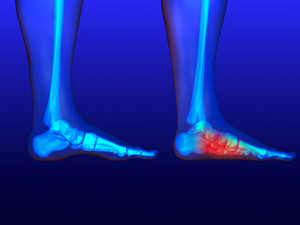 When the foot lies completely on the floor while standing barefoot, it may indicate a condition known as pes planus, or flat feet. The gap that is normally found between the arch and floor is nonexistent, which may affect the natural gait. Flat feet can occur from genetic reasons or possibly from an injury. In addition, certain medical conditions may cause flat feet to develop. These include cerebral palsy, diabetes, or obesity, which may affect the nerves. Symptoms typically associated with flat feet include pain in the heel and arch area, foot fatigue, and difficulty stand for long periods. A podiatrist can prescribe custom orthotics for arch support, along with stretches that can help to strengthen the feet. If you have flat feet that are causing problems, it is suggested that you make an appointment with a podiatrist for a exam and treatment options.
Flatfoot is a condition many people suffer from. If you have flat feet, contact Dr. Milliron from Eternal Sole Foot and Ankle. Our doctor will treat your foot and ankle needs.
What Are Flat Feet?
Flatfoot is a condition in which the arch of the foot is depressed and the sole of the foot is almost completely in contact with the ground. About 20-30% of the population generally has flat feet because their arches never formed during growth.
Conditions & Problems:
Having flat feet makes it difficult to run or walk because of the stress placed on the ankles.
Alignment – The general alignment of your legs can be disrupted, because the ankles move inward which can cause major discomfort.
Knees – If you have complications with your knees, flat feet can be a contributor to arthritis in that area.
Symptoms
- Pain around the heel or arch area
- Trouble standing on the tip toe
- Swelling around the inside of the ankle
- Flat look to one or both feet
- Having your shoes feel uneven when worn
Treatment
If you are experiencing pain and stress on the foot you may weaken the posterior tibial tendon, which runs around the inside of the ankle.
If you have any questions, please feel free to contact our office located in Pace and Jay, FL . We offer the newest diagnostic and treatment technologies for all your foot care needs.
