Items filtered by date: December 2025
Early Signs That an Ingrown Toenail Needs Attention

An ingrown toenail often begins with subtle changes that become more uncomfortable over time. Tenderness along one side of the nail may be the first clue, especially if the skin feels sore when pressed or rubbed by a sock or shoe. Redness, swelling, and warmth can follow as the nail edge begins to press into the surrounding skin. Some people notice a feeling of pressure or a small area of firm, irritated tissue that develops near the corner of the nail. Clear or yellow drainage may appear if the skin becomes inflamed. Pain that increases while walking or wearing closed shoes is another sign the problem is progressing. Paying attention to these early changes helps prevent deeper infection and protects overall foot health. If you have persistent pain, swelling, or drainage with an ingrown toenail, it is suggested that you see a podiatrist for effective treatment solutions.
Ingrown toenails can become painful if they are not treated properly. For more information about ingrown toenails, contact Dr. Milliron of Eternal Sole Foot and Ankle. Our doctor can provide the care you need to keep you pain-free and on your feet.
Ingrown Toenails
Ingrown toenails occur when a toenail grows sideways into the bed of the nail, causing pain, swelling, and possibly infection.
Causes
- Bacterial infections
- Improper nail cutting such as cutting it too short or not straight across
- Trauma to the toe, such as stubbing, which causes the nail to grow back irregularly
- Ill-fitting shoes that bunch the toes too close together
- Genetic predisposition
Prevention
Wearing proper fitting shoes and using proper cutting techniques will also help decrease your risk of developing ingrown toenails.
Treatment
Ingrown toenails are a very treatable foot condition. In minor cases, soaking the affected area in salt or antibacterial soaps will not only help with the ingrown nail itself, but also help prevent any infections from occurring. In more severe cases, surgery is an option. In either case, speaking to your podiatrist about this condition will help you get a better understanding of specific treatment options that are right for you.
If you have any questions, please feel free to contact our office located in Pace and Jay, FL . We offer the newest diagnostic and treatment technologies for all your foot care needs.
Managing Gout for Better Foot Health
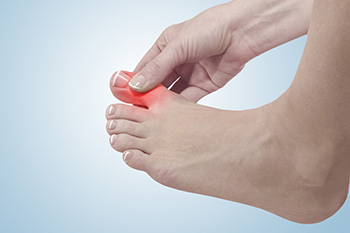
Gout is a form of arthritis caused by a buildup of uric acid crystals in the joints, most commonly affecting the big toe. It can be triggered by genetics, a diet high in purines, dehydration, obesity, or certain medical conditions. During a gout flare, the affected joint may appear red, swollen, warm, and shiny. It often feels intensely painful and is sometimes described as burning or throbbing. Even light pressure, such as a bedsheet resting on the toe, can cause significant discomfort. A podiatrist can help by evaluating the affected joint, confirming the diagnosis, and coordinating treatment with your primary care provider if needed. Options include medication management, joint protection strategies, footwear guidance, and lifestyle recommendations to manage or prevent attacks. If you experience sudden, severe joint pain or swelling, it is suggested that you make an appointment with a podiatrist.
Gout is a foot condition that requires certain treatment and care. If you are seeking treatment, contact Dr. Milliron from Eternal Sole Foot and Ankle. Our doctor will treat your foot and ankle needs.
What Is Gout?
Gout is a type of arthritis caused by a buildup of uric acid in the bloodstream. It often develops in the foot, especially the big toe area, although it can manifest in other parts of the body as well. Gout can make walking and standing very painful and is especially common in diabetics and the obese.
People typically get gout because of a poor diet. Genetic predisposition is also a factor. The children of parents who have had gout frequently have a chance of developing it themselves.
Gout can easily be identified by redness and inflammation of the big toe and the surrounding areas of the foot. Other symptoms include extreme fatigue, joint pain, and running high fevers. Sometimes corticosteroid drugs can be prescribed to treat gout, but the best way to combat this disease is to get more exercise and eat a better diet.
If you have any questions, please feel free to contact our office located in Pace and Jay, FL . We offer the newest diagnostic and treatment technologies for all your foot care needs.
Understanding Cuboid Pain in Runners
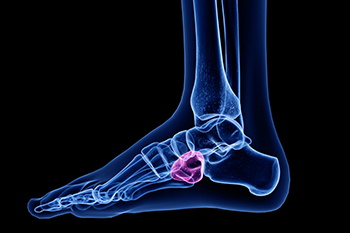
The cuboid is a small but important bone on the outer side of the foot, and with every stride, running places steady pressure along this area. When the cuboid becomes irritated or slightly displaced from repetitive impact or sudden changes in training, runners may feel a sharp ache along the outer midfoot. This discomfort can grow worse during push-off or when navigating uneven ground. Some people notice swelling or a sense that the foot feels weak or unstable. Supportive shoes, gentle stretching, and reducing mileage can offer early relief, but symptoms that do not improve should be taken seriously. A podiatrist can evaluate the cuboid’s position, identify soft tissue irritation, and provide treatments that restore comfort and alignment. If pain along the outer foot continues during or after runs, it is suggested that you see a podiatrist for proper assessment and guidance.
Cuboid syndrome, also known as cuboid subluxation, occurs when the joints and ligaments near the cuboid bone in the foot become torn. If you have cuboid syndrome, consult with Dr. Milliron from Eternal Sole Foot and Ankle. Our doctor will assess your condition and provide you with quality foot and ankle treatment.
Cuboid syndrome is a common cause of lateral foot pain, which is pain on the outside of the foot. The condition may happen suddenly due to an ankle sprain, or it may develop slowly overtime from repetitive tension through the bone and surrounding structures.
Causes
The most common causes of cuboid syndrome include:
- Injury – The most common cause of this ailment is an ankle sprain.
- Repetitive Strain – Tension placed through the peroneus longus muscle from repetitive activities such as jumping and running may cause excessive traction on the bone causing it to sublux.
- Altered Foot Biomechanics – Most people suffering from cuboid subluxation have flat feet.
Symptoms
A common symptom of cuboid syndrome is pain along the outside of the foot which can be felt in the ankle and toes. This pain may create walking difficulties and may cause those with the condition to walk with a limp.
Diagnosis
Diagnosis of cuboid syndrome is often difficult, and it is often misdiagnosed. X-rays, MRIs and CT scans often fail to properly show the cuboid subluxation. Although there isn’t a specific test used to diagnose cuboid syndrome, your podiatrist will usually check if pain is felt while pressing firmly on the cuboid bone of your foot.
Treatment
Just as the range of causes varies widely, so do treatments. Some more common treatments are ice therapy, rest, exercise, taping, and orthotics.
If you have any questions, please feel free to contact our office located in Pace and Jay, FL . We offer the newest diagnostic and treatment technologies for all your foot care needs.
